CIA Director's Moscow Visit Fails to Deter Russian Strikes on Ukraine
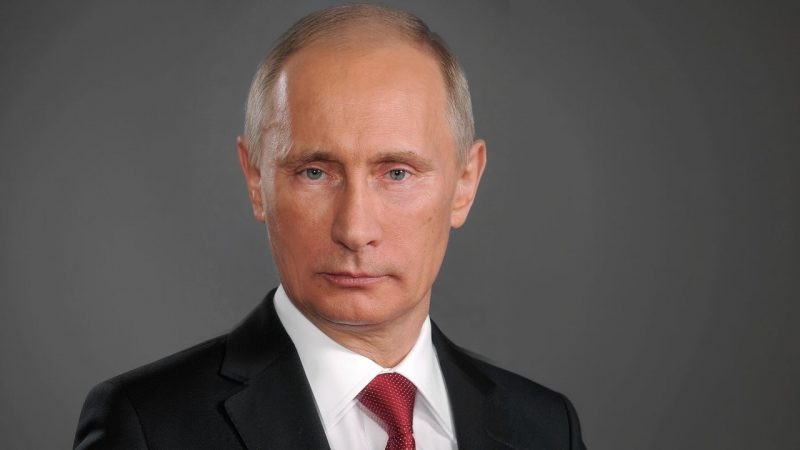
CIA Director John Ratcliffe's eight-hour trip to Moscow on August 25 marked the first visit by a CIA chief under President Trump. However, the visit did not result in a meeting with President Vladimir Putin, and instead, it coincided with a new wave of Russian strikes on Ukrainian targets. This suggests that the visit may have reinforced the Kremlin's resolve rather than softening it.
During his time in Moscow, Ratcliffe met with senior intelligence officials, including FSB Director Alexander Bortnikov and SVR head Sergei Naryshkin. The absence of Putin from these discussions indicated that the Kremlin preferred to keep the dialogue at the intelligence level rather than elevating it to a political one.
Reports indicate that the agenda for the talks included three main priorities. First, the U.S. aimed to caution Moscow against further military provocations toward NATO allies, particularly concerning the Baltic states of Estonia, Latvia, and Lithuania. Second, there was an emphasis on urging Russia to reduce its support for Iran. Lastly, Ratcliffe was expected to provide a candid assessment of Russia's military position in Ukraine.
Additionally, Washington reportedly requested that Kyiv pause its strikes on Russian territory during Ratcliffe's visit, highlighting the delicate nature of the situation at that time. Speculation surrounding a potential trilateral summit involving key leaders was also present, although no concrete plans emerged from the discussions.
The decision to send the CIA chief instead of a higher-ranking political figure, such as the Secretary of State, reflects the current state of diplomatic relations. The visit underscored ongoing concerns within the U.S. intelligence community regarding escalation risks along NATO's eastern flank. The Baltic states have remained on high alert due to their proximity to Russia and Belarus, with any military provocation potentially triggering NATO's Article 5 collective defense clause.
As the conflict in Ukraine surpasses its fifth year since the full-scale invasion began in February 2022, Russia's economic situation has worsened significantly, exacerbated by Western sanctions that have increased the costs of maintaining a large-scale military campaign.