U.S. Sanctions Intensify Pressure on Iran's Economy Amid Ongoing Conflict
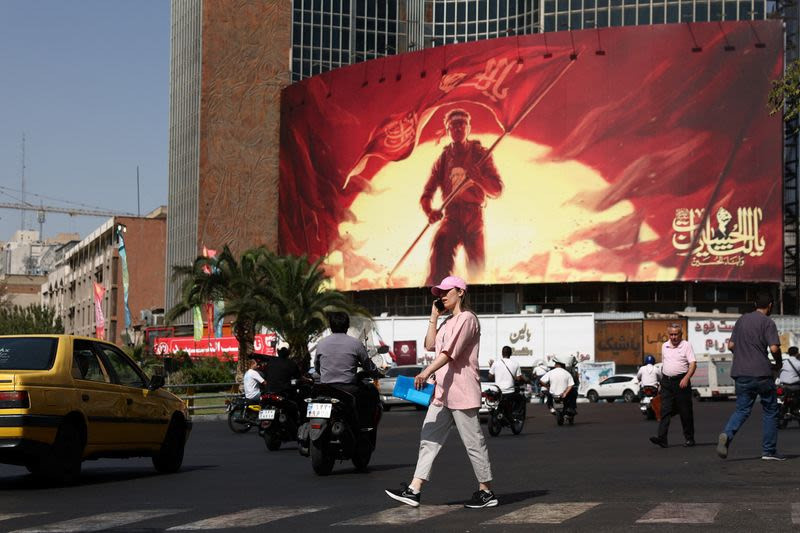
A recent campaign by the United States to intensify economic pressure on Iran is reportedly having a significant impact, as indicated by three senior Iranian sources. The U.S. has ramped up efforts to blockade Iranian oil exports and curb sanctions evasion, making it increasingly difficult for Iran to maintain its economy. Historically, Iran's leadership has managed to navigate sanctions, but the latest U.S. actions have placed them in a precarious position with dwindling avenues for foreign currency and essential imports.
The U.S. strategy aims to extract concessions from Iran in future negotiations, which have stalled despite months of conflict. The Iranian government is facing a critical challenge as it struggles to access international financing networks that have been vital for its economic stability. The sources indicate that the current economic campaign poses a serious threat to Iran's financial health.
Recent developments have seen the conflict escalate, with U.S. military actions along Iran's Gulf coast prompting retaliatory strikes from Iran. Both sides remain entrenched, with neither indicating a willingness to concede to the other's demands, resulting in a costly stalemate that may be shifting.
Despite Iranian attempts to disrupt oil flow through the Strait of Hormuz, U.S. blockades have effectively cut off Iran's primary revenue source. Compounding these issues, Iran's economy was already in crisis prior to the conflict, characterized by a collapsing currency and soaring inflation. The ongoing military actions have further strained Iran's resources, making it increasingly challenging to circumvent sanctions.
The Iranian rial has plummeted to record lows, and officials warn that the country has only a limited supply of gasoline left, which must be imported due to insufficient refining capacity. The Iranian leadership is acutely aware of the risks posed by a potential economic collapse, which could reignite mass protests similar to those seen earlier this year.
As the conflict evolves, both Iran and the U.S. are attempting to influence each other's domestic politics. Iran hopes that rising inflation will deter U.S. actions ahead of the upcoming midterm elections, while the U.S. aims to provoke dissent within Iran.
The U.S. has also expanded secondary sanctions targeting countries that conduct business with Iran, complicating its ability to engage in dollar transactions necessary for oil sales and crucial imports. This has rendered Iran's existing networks for evading sanctions increasingly costly and difficult to maintain.
Current estimates suggest that Iranian crude oil loadings have drastically decreased, falling from approximately 1.7 million barrels per day to around 260,000 barrels. Although Iran claims to have significant oil reserves stored outside the blockade zone, new sanctions are causing intermediaries to demand higher fees, further straining Iran's economic situation.
Trade has reportedly declined by 25% to 35%, with imports suffering the most. The UAE has halted all commercial exchanges with Iran, further isolating the country economically. The Iranian currency has depreciated sharply, and inflation rates are soaring, particularly in essential goods. Many Iranians are struggling to meet basic living expenses, highlighting the severe impact of the ongoing sanctions and conflict on the population.