Legal Challenges Emerge Over Executive Order on Federal Elections
On March 31, 2026, President Trump issued Executive Order (EO) 14399, titled Ensuring Citizenship and Integrity in Federal Elections. This order mandates the Department of Homeland Security (DHS), the United States Postal Service (USPS), and the Attorney General (AG) to implement measures aimed at securing mail-in voting and confirming that all voters in federal elections are U.S. citizens.
The order requires the DHS Secretary to provide each state with a list of confirmed U.S. citizens who will be eligible to vote in upcoming federal elections. This list must be updated and sent to state election officials at least 60 days before each federal election or upon request. Additionally, individuals are allowed to access and correct their records, while states can suggest modifications through a designated DHS contact.
The Postmaster General is instructed to initiate rulemaking that specifies that all outbound ballot mail must be sent in a secure envelope. The Attorney General is tasked with enforcing compliance with federal laws and prioritizing investigations into state and local officials who may issue ballots to ineligible individuals.
Despite the constitutional authority granted to the President to enforce laws, EO 14399 has faced legal challenges from Democrat-aligned state attorneys general and civic groups. The most notable case is California v. Trump, where plaintiffs argue that the EO infringes on state authority to manage elections by creating a federal citizenship list that conflicts with state voter rolls.
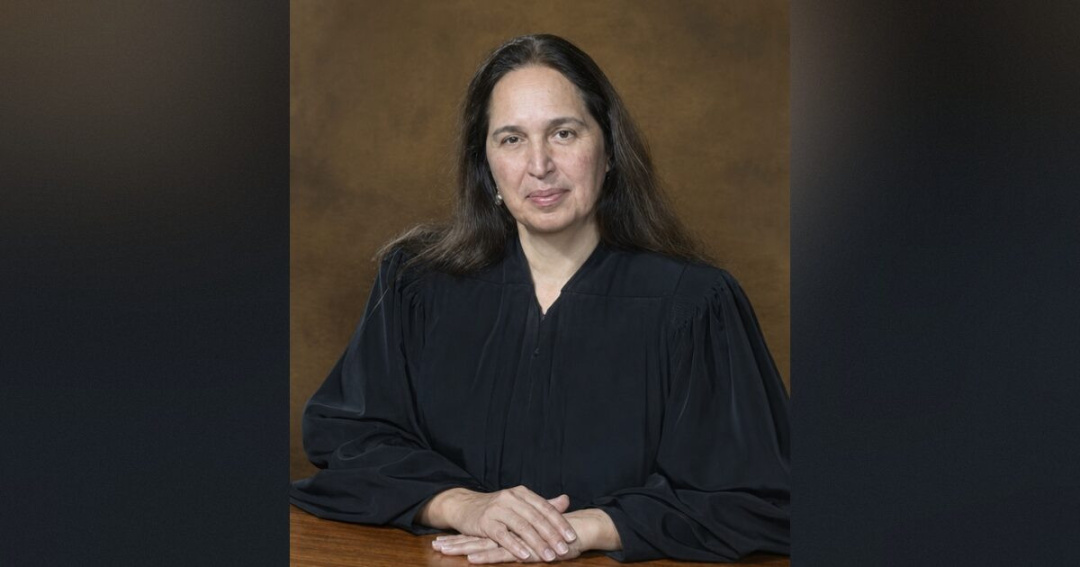
Judge Indira Talwani of Massachusetts, appointed by President Obama, ruled in favor of the plaintiffs, claiming that states have the constitutional authority to determine voter eligibility. This ruling has been criticized for its speculative nature and for overstepping judicial authority.
The U.S. Supreme Court later overturned Talwani's injunction, asserting that the executive order does not impose legal requirements on states and that the states lacked standing to challenge certain provisions of the EO. The Supreme Court emphasized that the order does not harm states and that the injunction improperly interfered with the Executive Branch's ability to implement the order.
Following the Supreme Court's decision, Judge Talwani issued a temporary restraining order against the USPS's new mail-in ballot rule, citing similar concerns as before. This ongoing legal battle raises significant questions about the balance of power between federal and state authorities in election administration and the implications for national security, particularly in light of concerns regarding foreign interference in U.S. elections.