Nio Shares Fall 4% Following J.P. Morgan Downgrade and Price Target Reduction
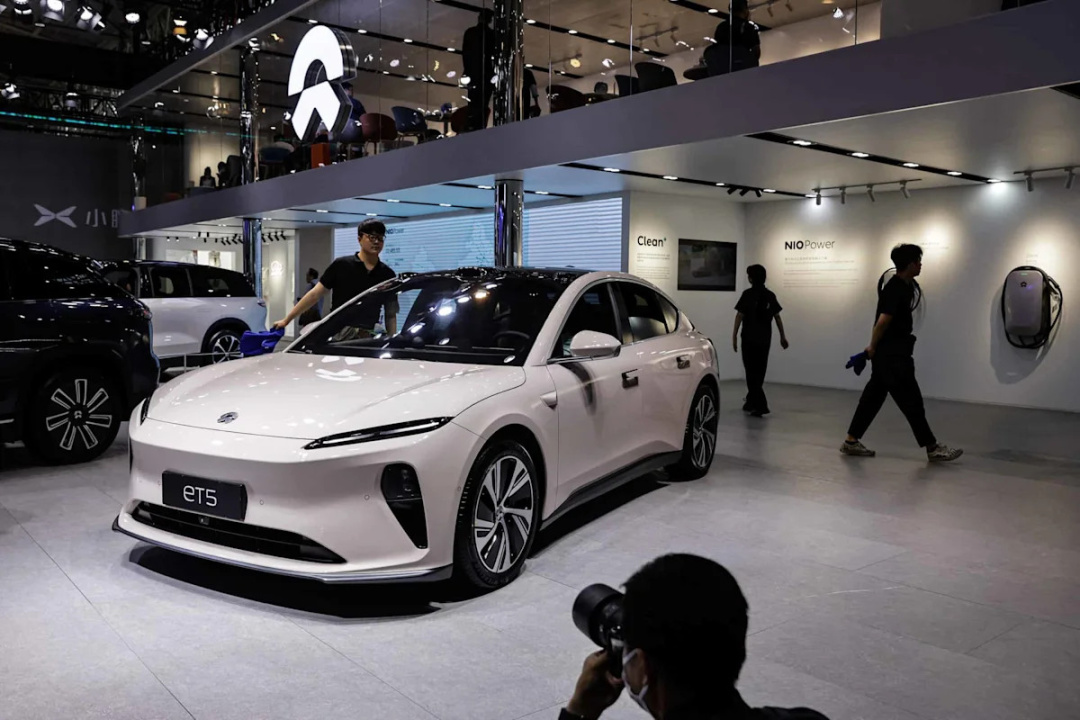
Shares of Nio fell 4% to $3.92 in early trading after J.P. Morgan downgraded the stock from Overweight to Neutral and lowered its price target from $7.00 to $4.50. This decision highlights the mixed sentiment surrounding Nio, as the bank acknowledged the company's solid execution while attributing the downgrade to broader market conditions affecting the China electric vehicle sector.
In contrast, Nio's peers, XPeng and Li Auto, saw smaller declines of 1%, trading at $11.02 and $11.78 respectively. The SPDR S&P 500 ETF Trust remained relatively stable, up 0.1% to $762.48, indicating that the broader market was not significantly impacted by Nio's downgrade.
The downgrade follows Nio's Q2 2026 earnings report, which showed results that exceeded J.P. Morgan's expectations. However, the bank cited several factors constraining Nio's potential for earnings growth, including weak demand in China's passenger-vehicle market, increased price competition, and limited international market exposure. Consequently, J.P. Morgan revised its revenue estimates for 2026 and 2027 downward by 5% and 9%, respectively, and adjusted its earnings forecasts significantly.
The bank now anticipates a net loss of 2.34 billion yuan in 2026 and 975 million yuan in 2027, a stark contrast to previous projections of profitability. J.P. Morgan expects Nio to deliver 430,000 vehicles in 2026 and 480,000 in 2027, representing growth rates of 32% and 12% respectively, while predicting a flat to declining demand in the passenger-vehicle market.
Despite the downgrade, J.P. Morgan noted that Nio's Q2 results showed sustained profitability and improving vehicle margins, with a gross margin of 18.5%. However, concerns about rising costs in the second half of the year, particularly related to batteries and other materials, could pressure margins further. The firm highlighted that maintaining vehicle margins in a challenging pricing environment would be crucial for Nio's profitability moving forward.
Investors are advised to remain cautious, particularly as Nio's stock has already seen a 20% decline year-to-date. The market's reaction to the downgrade suggests a broader concern about the electric vehicle sector in China, with Nio's challenges potentially affecting its competitors as well. As the company navigates these headwinds, management's commentary on pricing strategies and delivery forecasts will be closely monitored by investors.