US-Canada Trade Tensions: Implications for National Security and Energy Security
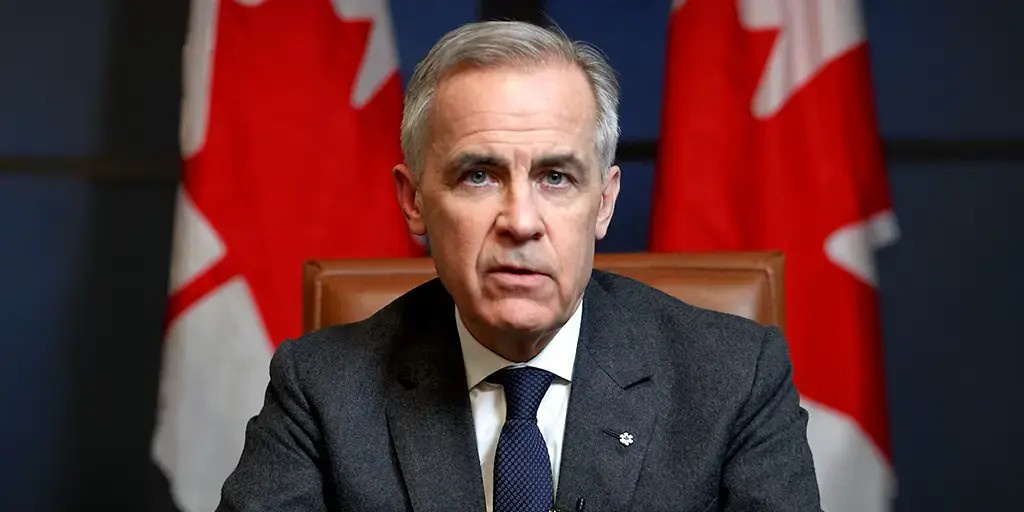
The recent collapse of trade negotiations between the United States and Canada has heightened tensions, particularly following Prime Minister Mark Carney's assertion that "you’re at war when you get attacked." This tariff dispute has evolved into a significant political issue, jeopardizing the critical energy security relationship that has historically linked the two nations. The US has implemented tariffs of 50 percent on billions of dollars worth of Canadian goods, with Canada promising to retaliate dollar-for-dollar starting September 8. While crude oil, natural gas, and potash are currently exempt from these tariffs, this exemption may not last, raising concerns about the future of energy supplies and the political trust essential to the 2025 National Security Strategy.
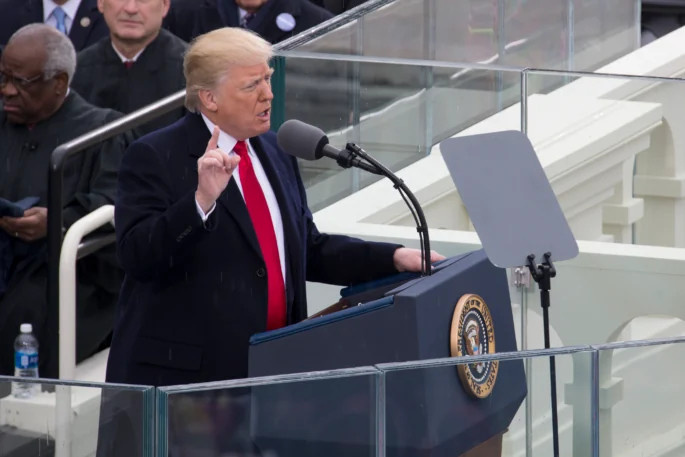
The situation contrasts sharply with the possibilities that seemed attainable just a year ago. The August 2025 meeting between US President Donald Trump and Russian President Vladimir Putin, although inconclusive regarding Ukraine, hinted at a potential shift in energy dynamics. Discussions of economic cooperation in the Arctic and the revival of ventures like Sakhalin-1 suggested a new energy order that could benefit both nations. However, Carney's aggressive stance threatens to undermine this potential, particularly affecting Alberta's energy sector.
The Anchorage meeting was significant as it marked a thaw in US-Russia relations, which had been strained due to sanctions. The sanctions regime had unintended consequences, leading to increased European reliance on discounted Russian oil, which was funneled through Indian and Chinese markets. A cooperative US-Russia relationship could have opened up new opportunities for energy trade, benefiting both economies.
In January 2026, US forces captured Nicolás Maduro in Venezuela, a move that aligns with the US's renewed focus on asserting control over vital energy resources in the Western Hemisphere. The US has secured majority control over a substantial portion of Venezuela's oil reserves, which are crucial for meeting energy demands. However, the timeline for restoring Venezuelan oil production remains uncertain, making Canadian oil supplies indispensable in the interim.
US crude imports from Canada have consistently accounted for a significant portion of total imports, with Alberta's heavy sour crude being particularly vital for US refineries. The interdependence between the two nations means that any disruption in oil trade could have dire consequences for both economies. Alberta's Premier Danielle Smith has warned that imposing tariffs on Alberta's oil would have disastrous effects on livelihoods and the broader economy.
Carney's government has been criticized for its approach, with calls for diplomacy to prevent further escalation of trade tensions. The potential use of oil as a weapon in this dispute could backfire, harming Canada more than the US, given the latter's larger economy and reliance on Canadian energy.
As the political landscape evolves, Carney's administration appears to be preparing for a prolonged standoff, potentially waiting for a change in US leadership. However, any sustained disruption in trade could exacerbate existing vulnerabilities and hinder the development of critical energy infrastructure. The current situation underscores the importance of maintaining stable energy relations between the US and Canada, particularly in light of the broader geopolitical context.