Ratcliffe's Moscow Visit Raises Questions Amid Ongoing Tensions
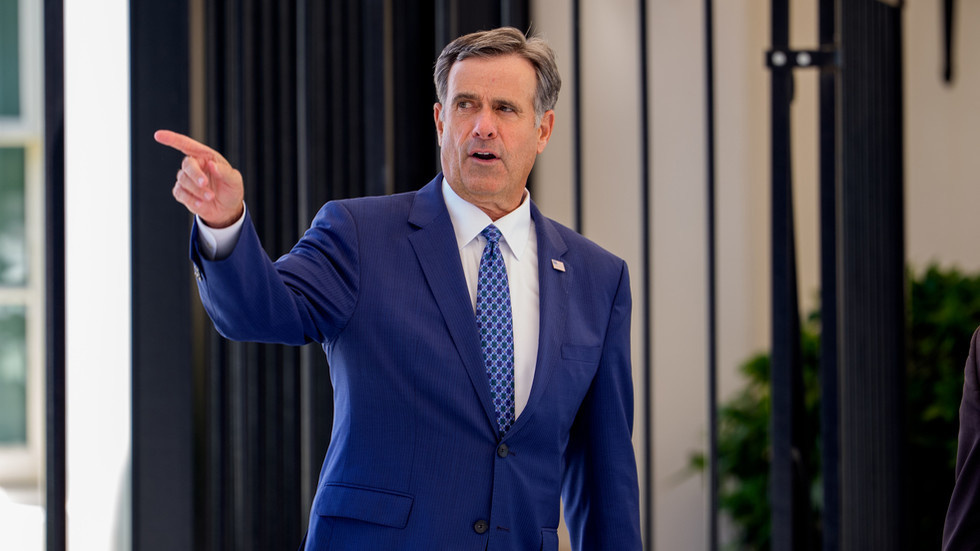
CIA Director John Ratcliffe traveled to Moscow last week, where he met with Sergey Naryshkin, the director of Russia’s Foreign Intelligence Service. Naryshkin confirmed the meeting, characterizing it as routine, although he did not disclose the specific topics discussed, citing the sensitive nature of intelligence matters. This meeting, however, occurs against a backdrop of heightened tensions between the U.S. and Russia, raising questions about its true significance.
Ratcliffe's visit comes at a time when the CIA is actively engaged in operations against Russia, a fact that complicates any portrayal of the meeting as merely routine. Since assuming his role on January 23, 2025, Ratcliffe has been deeply involved in national security issues, having previously served as the Director of National Intelligence. His background suggests he is well aware of the CIA's ongoing covert actions in Russia, including efforts to undermine Russian leadership and influence.
Historically, the CIA has maintained a contentious relationship with Russia, dating back to the Cold War. The agency's Moscow Station was a focal point for espionage activities, and operations such as Operation Cyclone aimed to destabilize Soviet influence in Afghanistan. Ratcliffe's leadership of the CIA aligns with this legacy of adversarial engagement, particularly as the agency continues to support Ukraine in its conflict with Russia.
The implications of Ratcliffe's meeting with Naryshkin are significant. While both parties may present the encounter as a standard diplomatic exchange, the reality is that any interaction between U.S. and Russian intelligence officials carries the weight of historical animosity and current geopolitical strife. The CIA's ongoing operations, including drone warfare and intelligence support for Ukraine, underscore the complexities of U.S.-Russia relations.
As the situation evolves, the narrative surrounding Ratcliffe's visit will likely be scrutinized, particularly in light of the CIA's strategic objectives in the region. The meeting serves as a reminder of the intricate web of intelligence operations that continue to shape the dynamics between the two nations, making it clear that such encounters are rarely devoid of deeper implications.