Japan Develops Advanced Missile-Defense Warships with AN/SPY-7 Radar
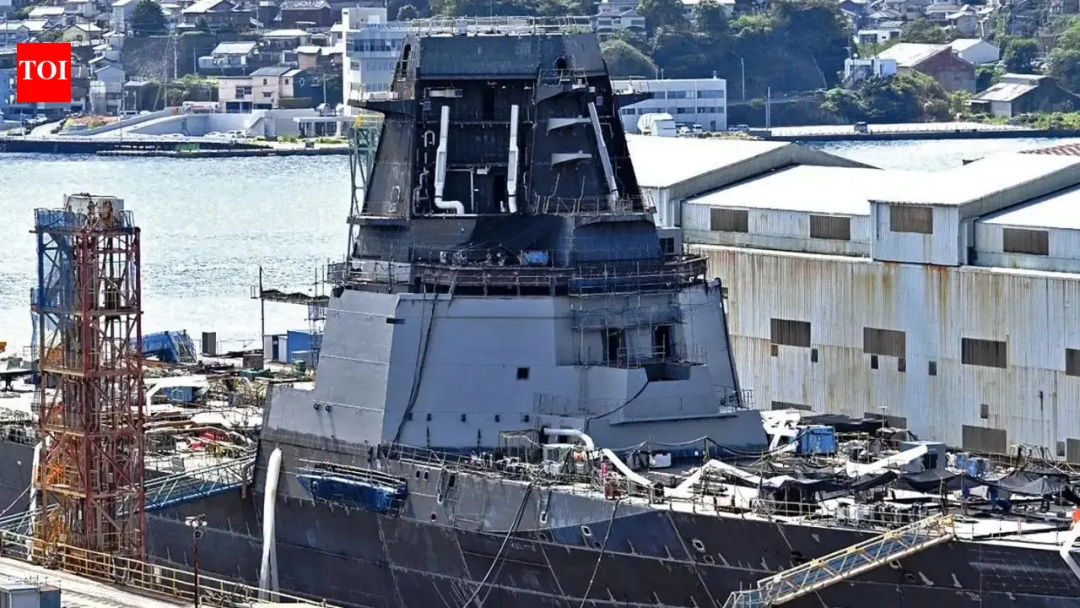
Japan is in the process of constructing a new generation of missile-defense warships designed to counter the increasing missile threats from North Korea and the broader region. These vessels, known as Aegis System Equipped Vessels (ASEVs), will utilize the advanced AN/SPY-7 radar as their primary sensor, which is integral to Tokyo's integrated air and missile defense network. The first of these warships is currently under construction in Nagasaki, featuring large SPY-7 radar arrays integrated into its mast. This radar system, derived from the US Missile Defense Agency's Long Range Discrimination Radar program, is specifically engineered to detect, track, and discriminate ballistic missile threats.
The development of the ASEVs comes at a time when Japan faces a challenging security environment, particularly due to North Korea's ongoing missile launches and advancements in missile technology. Additionally, Japan is closely monitoring China's expanding military capabilities. Each ASEV will be equipped with four SPY-7 radar arrays, providing comprehensive 360-degree coverage and significantly enhancing tracking capabilities compared to the older SPY-1 radar. This system is capable of handling multiple ballistic missile threats simultaneously and has demonstrated its effectiveness in live-target tracking tests conducted in March 2026.
Japan's decision to develop these warships follows the abandonment of its planned land-based Aegis Ashore missile-defense system. The ASEVs are intended to offer a mobile and persistent sea-based ballistic missile defense capability. The first vessel is set to enter service in fiscal 2027, with the second following in fiscal 2028. Each ship will be equipped with 128 vertical launch system cells, allowing for a substantial arsenal of interceptors, including the SM-3 Block IIA and SM-6 missiles. The combination of the SPY-7 radar, Aegis technology, and a large missile magazine aims to enable each ship to effectively detect, track, and engage multiple missile and airborne threats.
North Korea remains a primary concern for Japan, which continues to witness missile launches from Pyongyang. In August 2026, a North Korean missile reportedly traveled approximately 690 kilometers before landing in the Sea of Japan, prompting concerns about regional security. Japan's fiscal year 2026 defense budget emphasizes the need to enhance its capabilities to detect and track a diverse range of threats, including missiles and aircraft. Furthermore, Japan's 2026 defense white paper identifies China as its greatest strategic challenge, noting the rapid expansion of Beijing's military capabilities. Through the development of the ASEVs, Japan is positioning itself to address the increasingly sophisticated missile threat landscape.