Rethinking Lethality in Special Operations: The Need for Intellectual Engagement
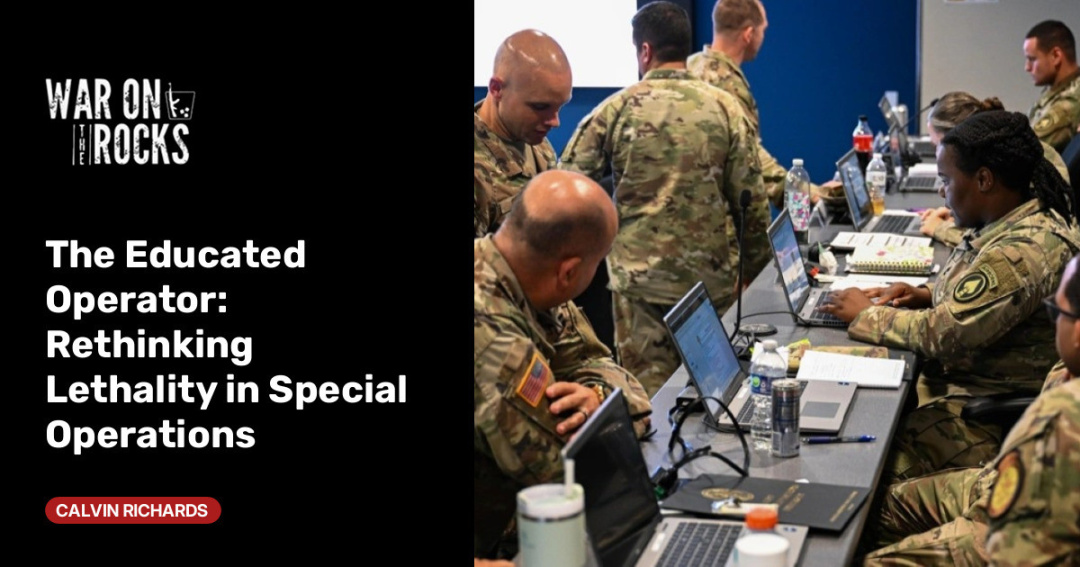
The concept of lethality in military operations is complex and multifaceted, particularly within the realm of U.S. Special Operations Forces. As the military landscape shifts, it is crucial for operators to not only hone their combat skills but also to engage in continuous learning and critical thinking. The recent discourse surrounding military education highlights a growing concern about the potential neglect of intellectualism in favor of a narrow focus on direct action and lethality.
Historically, the U.S. military has emphasized the importance of lethality as a measure of effectiveness in combat. However, this focus can sometimes overshadow the necessity for a well-rounded understanding of military strategy, policy, and history. The ability to adapt to future conflicts requires a comprehensive approach that integrates both hard skills and intellectual capabilities. Special operations forces must cultivate a mindset that values education alongside their tactical training.
The discussion around military education is not new, yet it remains critical, especially for enlisted personnel and non-commissioned officers who often face cultural biases that prioritize formal education for officers. This disparity can limit the effectiveness of enlisted leaders who need to engage in strategic discussions and contribute to mission planning. A shift in this cultural perception is necessary to empower all ranks within the military to participate in the broader strategic dialogue.
The evolution of warfare over the past two decades, particularly in the context of counterterrorism, has led to an increased reliance on special operations forces. This reliance has sometimes resulted in mission creep, where special operations are tasked with roles traditionally reserved for conventional forces. As the military transitions from the Global War on Terror to a renewed focus on great power competition, it is essential to redefine the role of special operations forces and their approach to lethality.
A comprehensive review by Special Operations Command in 2020 acknowledged that an overemphasis on mission accomplishment could degrade leader development and readiness. Moving forward, a balanced approach that prioritizes both mission success and intellectual growth is vital. This includes fostering an environment where operators are encouraged to understand the strategic implications of their actions and the policies that govern military engagement.
As the military navigates the complexities of modern warfare, the need for small, agile teams capable of rapid response remains paramount. The lessons learned from past conflicts should inform future strategies, ensuring that special operations forces are not only effective in combat but also equipped to engage in the strategic conversations that shape military policy. By embracing a culture of continuous improvement and intellectual engagement, special operations can maintain their edge in an increasingly competitive global landscape.