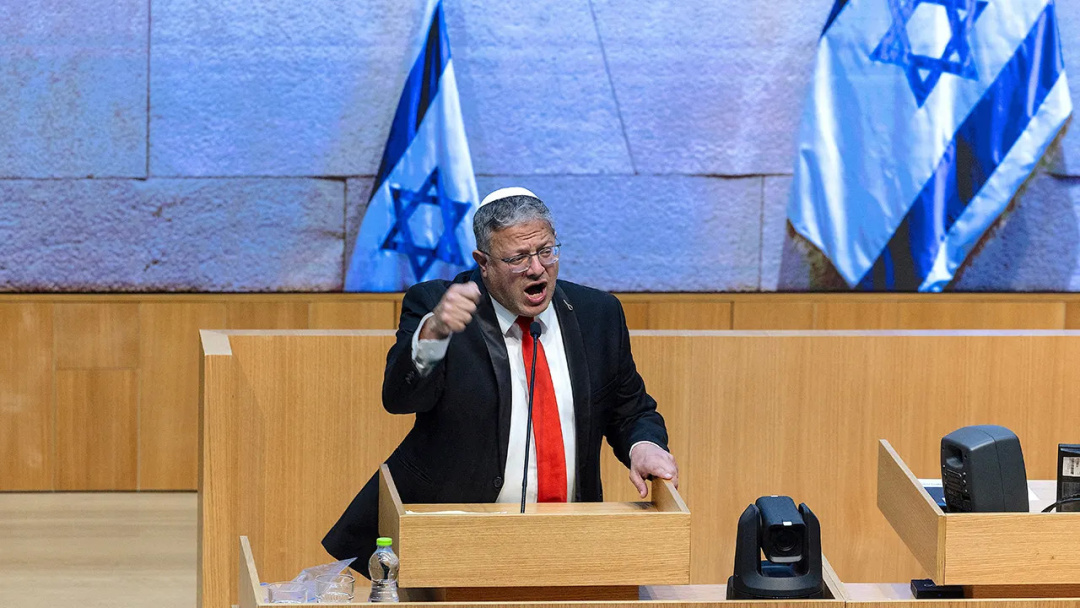
Itamar Ben-Gvir's Controversial Visit to Al-Aqsa Mosque in East Jerusalem
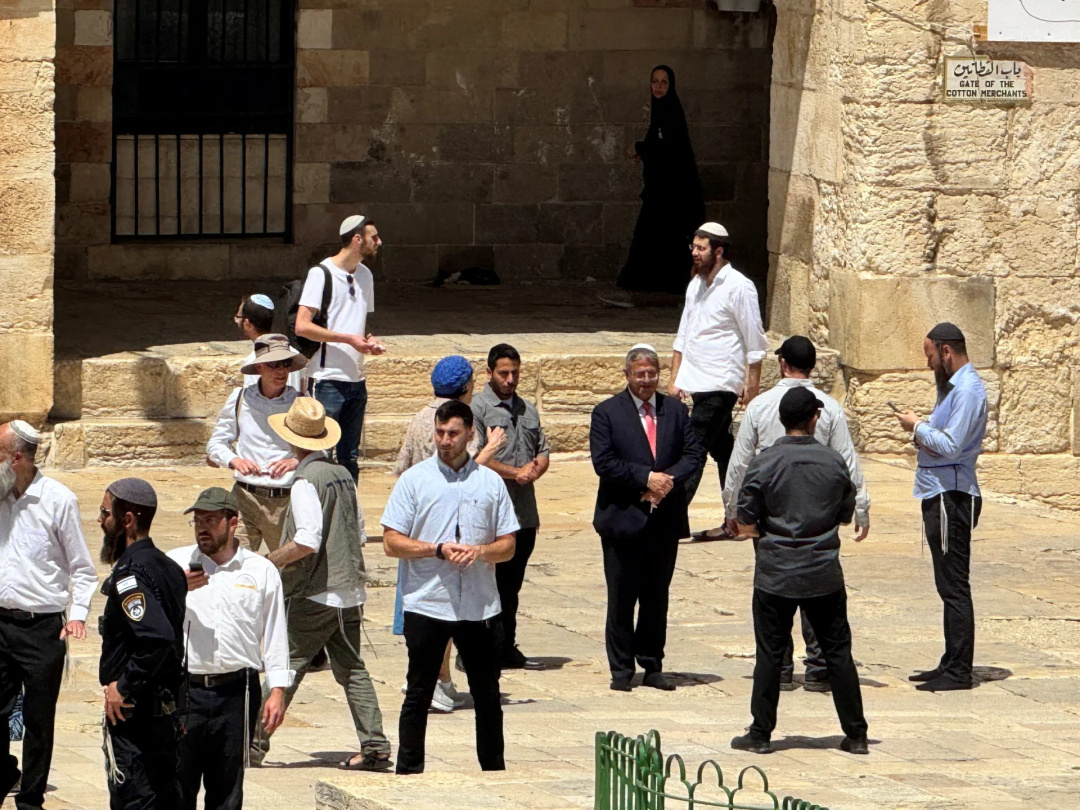
Itamar Ben-Gvir, Israel's National Security Minister, has made headlines following his recent incursion into the Al-Aqsa Mosque compound in occupied East Jerusalem. Accompanied by several rabbis, settlers, and security personnel, Ben-Gvir performed prayers within the compound, a move that has raised alarms regarding the potential alteration of the site's historical status quo. This area is considered the third-holiest site in Islam, and under the existing arrangements since 1967, non-Muslims are prohibited from praying there, although they may visit.
During his visit, Ben-Gvir engaged in Talmudic prayers and rituals, expressing his sentiments about the significance of the moment. He stated, "When I was 14 years old, prayer was forbidden, and anyone who murmured was arrested. Today we see redemption. It is very moving to be with you today, and you are right, we must blow the shofar and bring the prayer incantations, and there must be a temple… a temple… a temple… but little by little.” His remarks have sparked outrage, particularly among Palestinian leaders and advocates for peace.
The Jerusalem governorate condemned Ben-Gvir's actions, labeling them a dangerous escalation and a blatant violation of the mosque's historical and legal status. They view this as an attempt to impose new realities at the site and alter its Islamic identity. The far-right politician, who leads the Jewish Power party, has a history of provocative actions at the Al-Aqsa Mosque, which have drawn widespread condemnation both locally and internationally.
This incident occurs against the backdrop of heightened tensions, as many Jews have participated in prayers at the Western Wall during the Yom Kippur period. The Israeli police have allowed settlers to enter the Al-Aqsa Mosque compound daily, with restrictions often imposed on Palestinian worshippers. For instance, during the recent Eid al-Fitr prayers, only a limited number of Palestinians were permitted entry, despite the large population in the occupied West Bank. The ongoing situation continues to fuel tensions between different communities in the region.