Xavier Becerra's Ties to Foreign Agents and Activist Networks Under Scrutiny
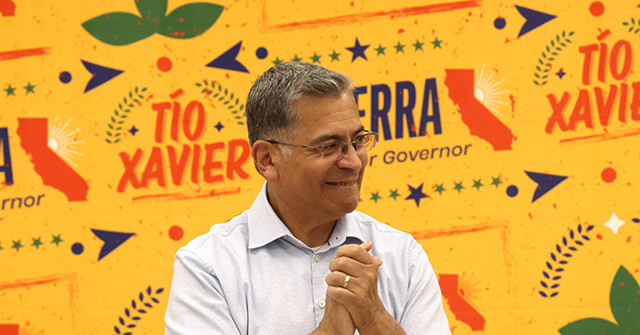
A recent investigation has uncovered that Xavier Becerra, the frontrunner for California governor, is linked to a network of militant activists and foreign agents with a history of influencing U.S. elections and promoting pro-immigration initiatives. Becerra has long positioned himself as a supporter of migrants, yet his connections to radical activist NGOs, which coordinate closely with Mexico, are less well-known.
Mexico has been enhancing its political influence in the U.S. through a network of over 50 consulates, which have been accused of engaging in activities that violate international laws prohibiting foreign interference in domestic affairs. Research from the Government Accountability Institute (GAI) indicates that the radical migrant nonprofits associated with Becerra are deeply embedded within this foreign network.
The scrutiny intensified following Becerra's endorsement by the Coalition for Humane Immigrant Rights of Los Angeles (CHIRLA), a group previously investigated for alleged misuse of taxpayer funds to support protests. CHIRLA has maintained operational ties with Mexican consulates for over two decades, often acting more like political entities than diplomatic offices.
Former Mexican Foreign Minister has openly stated that consulates are instructed to promote militant activities within their communities. Historical collaborations between CHIRLA and the Mexican consulate include efforts against California's Proposition 187, which sought to restrict public benefits for illegal immigrants.
The State Department has initiated a review of Mexican consulates due to concerns about political meddling. CHIRLA's activities include joint events with consular officials aimed at educating illegal immigrants on evading deportation, as well as organizing voter registration efforts.
Becerra's connections extend to UnidosUS, a group with a history of radical activism, and the California Rural Legal Assistance Foundation (CRLAF), which has coordinated citizenship events with consulates. These organizations have been involved in efforts to influence U.S. immigration policy and have ties to Becerra's family.
The investigation highlights the potential legal implications of these relationships, particularly under the Logan Act, which prohibits U.S. citizens from influencing foreign governments on matters related to disputes with the U.S. Despite denials from Mexican officials, evidence suggests a coordinated effort to mobilize migrants as a political force in the U.S.
Becerra's extensive ties to this network reveal a shared agenda that raises questions about foreign influence in American politics. His participation in conferences with Mexican diplomats and subsequent legal actions against U.S. immigration policies further illustrate the complexities of his connections and the potential ramifications for U.S. sovereignty.