Putin Views U.S. as Weakened, Plans Meetings with Xi Jinping and Other Leaders
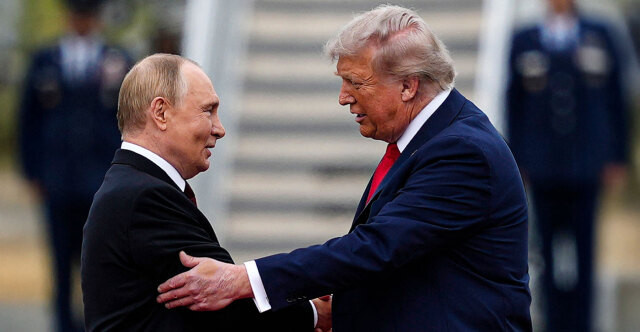
Vladimir Putin's calculations regarding U.S. influence appear unchanged despite a recent message from CIA Director John Ratcliffe. According to The Washington Post, Putin believes that the prolonged U.S. involvement in the war with Iran has weakened its position, allowing Russia to exert greater pressure on Ukraine and Europe. Rather than retreating in response to American warnings, Putin is gearing up for a significant diplomatic engagement alongside Chinese President Xi Jinping and other leaders from countries with close ties to Russia.
The timing of these developments reflects the Kremlin's strategy of keeping communication channels open with Washington while simultaneously showcasing its alternative diplomatic alliances. This approach indicates that Russia does not intend to operate solely within the framework established by the U.S., which is urging Moscow to pursue a diplomatic resolution to the ongoing conflict in Ukraine.
John Ratcliffe's visit to Moscow was conducted under strict secrecy, marking the first known trip by a CIA director to the Russian capital since November 2021. During this visit, Ratcliffe did not meet with Putin directly but engaged with senior Russian intelligence officials, including FSB Director Alexander Bortnikov and SVR Director Sergei Naryshkin. Kremlin spokesperson Dmitry Peskov confirmed that Putin was briefed on the discussions.
The CIA director's mission was informed by a classified U.S. assessment suggesting that the Kremlin views the U.S. as militarily and politically weakened due to its involvement in the war with Iran. Reports indicate that the depletion of U.S. military resources, such as Patriot and Tomahawk missiles, reinforces Moscow's belief that Washington has limited capacity to respond to further Russian aggression.
Ratcliffe reportedly cautioned Russian officials that escalating the conflict in Ukraine could backfire and potentially align Donald Trump more closely with Ukrainian President Volodymyr Zelenskyy. Additionally, the CIA director presented a bleak assessment of Russia's military and economic situation, urging Moscow to engage in serious negotiations to end the war before its position deteriorates further.
Despite these warnings, the U.S. did not issue specific threats regarding potential consequences for Russia if it disregarded the CIA's assessment. Currently, there is no indication that the Kremlin is reconsidering its strategy.
Trump downplayed the significance of Ratcliffe's trip, labeling it as “semi-routine” and expressing confidence that Putin would not attack a NATO country. However, sources confirmed that the possibility of a Russian operation against a NATO member was discussed during the talks, although it remains unclear if this was the primary focus.
As Putin prepares for a diplomatic summit in Bishkek, he is scheduled to meet with Xi Jinping on August 31, along with Indian Prime Minister Narendra Modi, Iranian President Masoud Pezeshkian, Turkish President Recep Tayyip Erdoğan, and leaders from Central Asian nations. These meetings are crucial as they highlight China's role as Russia's key economic partner and underscore the importance of Moscow's relationship with Tehran, which has drawn U.S. scrutiny.
Putin's participation in the summit and the accompanying meetings serve to project an image of Russia that is not isolated on the international stage. They also send a clear message to the West that Moscow continues to maintain significant diplomatic relationships and has options available, even in the face of direct warnings from Washington. The effectiveness of the CIA director's intervention in influencing Putin's future actions remains uncertain, as the Russian president may still view U.S. involvement in multiple conflicts as an opportunity to escalate pressure.