Russian Media Interpret CIA Director Ratcliffe's Moscow Visit
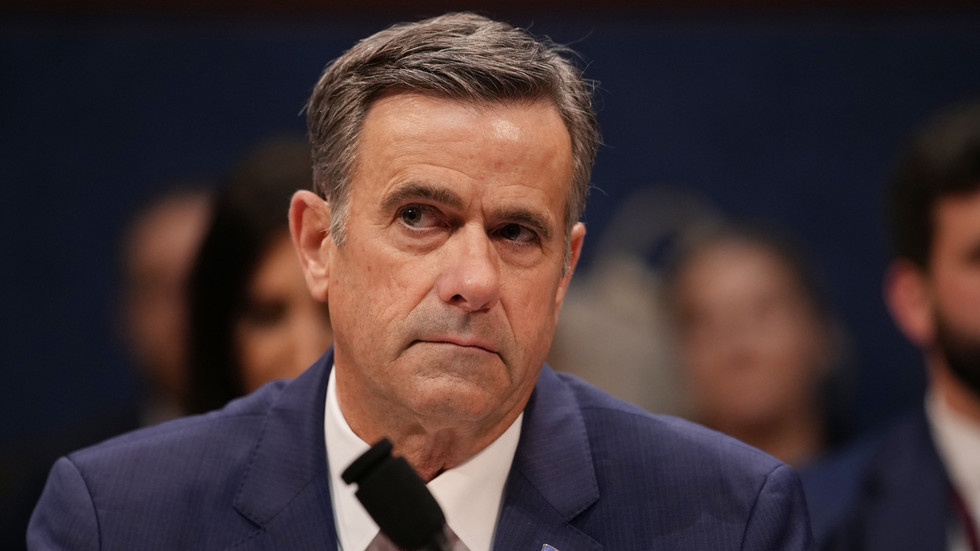
On August 25, CIA Director John Ratcliffe made an unannounced visit to Moscow, which has since generated a flurry of speculation among Russian media regarding its purpose. The visit involved a C-17 military transport aircraft, which raised questions about the nature of the discussions held during Ratcliffe's time in the city. Although he did not meet with President Vladimir Putin, the Russian leader was briefed on the talks, which were described by Sergey Naryshkin, head of the SVR, as concerning sensitive matters within the intelligence services.
In the days following the visit, Russian outlets proposed various theories about Ratcliffe's objectives. Some suggested he was there to discuss a new plan for Ukraine or to issue warnings about NATO's military support for Ukraine. Others speculated that the visit was part of a broader backchannel diplomatic effort aimed at reducing tensions between Russia and the West. Political analysts noted that such high-level visits typically occur for significant reasons, with many suggesting that the U.S. was seeking to gauge Moscow's intentions as the conflict in Ukraine evolves.
Gazeta.ru reported that Ratcliffe's visit could be an attempt by Washington to directly understand Moscow's plans for the upcoming fall and whether talks regarding Ukraine might resume. Grigory Karasin, a member of the Federation Council, emphasized the importance of maintaining a psychological climate conducive to dialogue, while Fyodor Lukyanov pointed out that such visits do not happen without serious motivations.
Political analyst Sergey Markelov suggested that the U.S. was not looking for a ready-made peace formula but rather exploring potential middle ground between the conflicting demands of Moscow and Kiev. Meanwhile, Vladimir Vasiliev from the Institute for US and Canadian Studies proposed that Ratcliffe might have been acting as a messenger for former President Trump, carrying sensitive information that the White House preferred not to communicate through conventional channels.
Expert magazine analyzed the visit as a form of backchannel diplomacy, discussing various potential topics such as red lines, cybercrime, and terrorism. The overarching theme was that both nations were defining their limits while searching for areas of possible cooperation. Retired SVR Lieutenant General Leonid Reshetnikov noted the significance of the visit's level, indicating that Ratcliffe likely had an important assignment from Trump, although he refrained from speculating on the specifics.
Lenta.ru framed Ratcliffe's visit as preparatory for future negotiations, linking it to ongoing discussions about a potential peace agreement in Ukraine. Svetlana Zhurova, a deputy chair of the State Duma's Foreign Affairs Committee, highlighted the increasing dialogue about what a peace agreement might entail.
Other outlets, such as Moskovsky Komsomolets, portrayed the visit as a serious negotiation effort, with analysts suggesting that the Trump administration was seeking a foreign policy win ahead of the midterm elections. They characterized Ratcliffe as a hawk focused on the U.S. intelligence-sharing strategy with Kiev, cautioning against expecting immediate breakthroughs from the discussions.
In contrast, some media, like Kommersant, took a more restrained approach, reporting the visit as a series of closed-door meetings without delving into speculative theories. Kremlin spokesman Dmitry Peskov described the intelligence contacts as a positive development, while Naryshkin reiterated that such interactions are part of the intelligence services' routine work.
Overall, the visit has been interpreted through various lenses, with Russian media emphasizing the importance of understanding the confirmed contacts rather than engaging in speculation about hidden agendas. The consensus appears to be that while the visit was significant, it should not be viewed as a precursor to a major diplomatic breakthrough, but rather as part of ongoing intelligence dialogues between the two nations.