CIA Director John Ratcliffe Visits Russia Amid Tensions
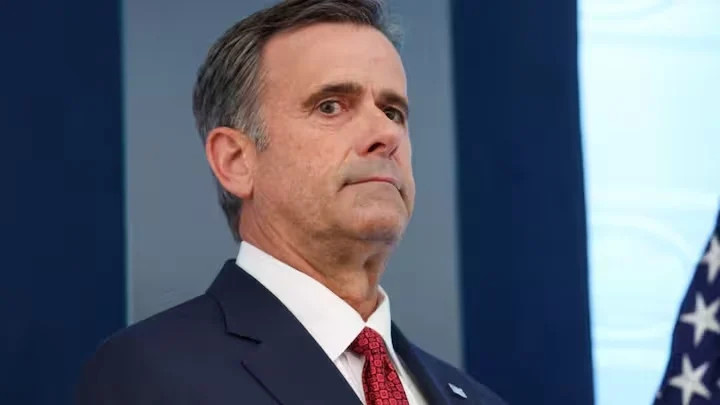
On August 25, CIA Director John Ratcliffe made a significant visit to Russia, flying on a United States Air Force C-17 Globemaster III. His meetings were reportedly held with senior Russian intelligence officials, although the specifics of the discussions have not been publicly disclosed. Notably, it appears that Russian President Vladimir Putin either declined to meet Ratcliffe or that such a meeting was never scheduled.
Presidential spokesman Dmitry Peskov confirmed that Ratcliffe spoke solely with intelligence officials, with Putin receiving a briefing afterward. Peskov remarked that it is too early to assess whether the discussions could alleviate the current crisis in U.S.-Russian relations, suggesting that one of the visit's objectives may have been to promote de-escalation between the two nations.
Reports indicate that during Ratcliffe's visit, the U.S. advised the Ukrainian government to halt its military operations against Moscow, which some interpret as an acknowledgment of U.S. involvement in the conflict. This raises doubts about the sincerity of U.S. efforts to improve relations with Russia, especially given the ongoing military actions directed by the U.S. against Russian interests.
The Wall Street Journal reported that Ratcliffe's visit included a warning to Russia against potential aggressive actions, particularly concerning NATO countries. The article speculated that Putin might consider testing NATO's resolve through limited military actions in the coming years. However, the rationale behind delivering such a warning in person remains unclear, leading to skepticism about the motivations behind the visit.
Critics argue that the narrative surrounding Russia's intentions toward NATO is steeped in historical biases, suggesting that the portrayal of Russia as a looming threat is exaggerated. They point out that Russia has consistently stated it does not seek conflict with the Baltic states, provided they do not pose a threat to its security.
The ongoing military support from NATO to Ukraine, including intelligence and weaponry, complicates the situation further. Observers note that if Russia were to engage in similar actions, it would likely be labeled as unprovoked aggression. The disparity in perceptions of military actions raises questions about the fairness of the geopolitical narrative.
In conclusion, Ratcliffe's visit to Moscow appears to be a complex maneuver within a fraught geopolitical landscape. The lack of clarity regarding the discussions and the ongoing military tensions suggest that achieving genuine de-escalation may be a challenging endeavor. The implications of this visit will likely continue to unfold as both nations navigate their fraught relationship.