FBI Investigations into Catholic Priests Linked to Richmond Memo Revealed
A new report from the Justice Department has revealed that FBI personnel opened investigations into two Catholic priests and conducted surveillance related to the Richmond Catholic Memo, continuing their work on the memo even after headquarters ordered its deletion. The investigation stemmed from a probe into a violent extremist and led to the surveillance of clergy affiliated with traditional Catholicism. Ultimately, the FBI determined that the priests did not pose a national security threat.
Attorney General Todd Blanche emphasized that the Justice Department will not tolerate a weaponized bureaucracy that suppresses First Amendment rights. He noted that those responsible for the Richmond Domain Perspective are no longer with the FBI. Assistant Attorney General Stanley E. Woodward, Jr. criticized the memo as an abuse of power that targeted conservative and religious beliefs without proper oversight.
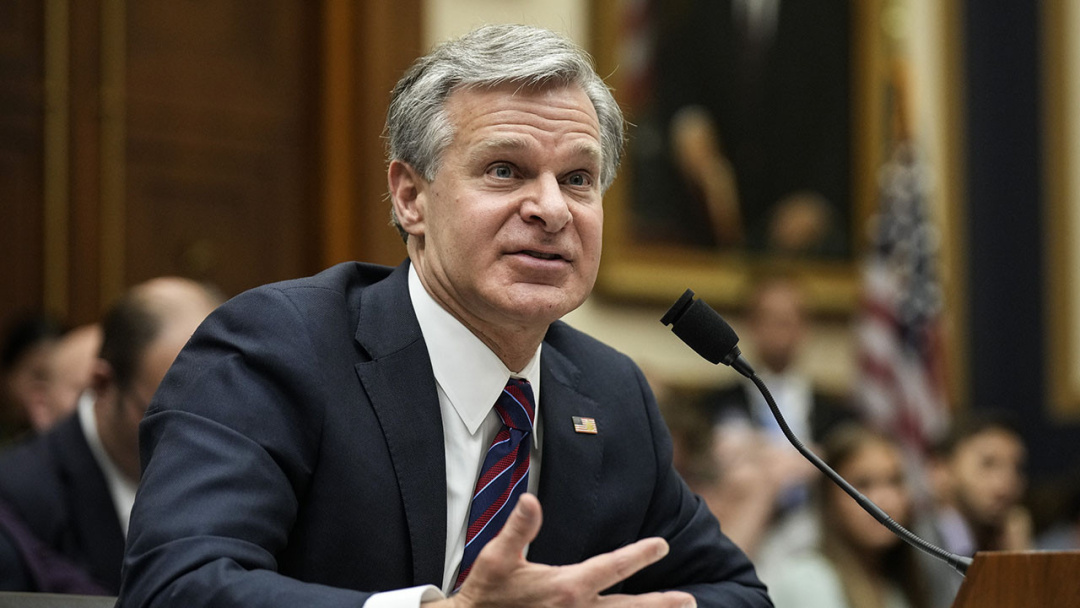
The memo, which was published by the Richmond FBI field office and leaked in February, became infamous for adopting the Southern Poverty Law Center's (SPLC) framing of "radical traditional Catholics" as extremists. In July 2023, then-FBI Director Christopher Wray testified that the memo originated from a single field office, although further investigations revealed involvement from multiple offices.
The Weaponization Working Group report provides new insights into the FBI's investigation that led to the memo, including the decision to continue working on it after it was ordered deleted. The report also highlights internal criticisms regarding the FBI's uncritical use of the SPLC as a source.
The report details that the FBI opened assessments on two priests, examining their travel and contacts. One priest was associated with a church attended by a convicted felon who made violent threats online, while the other priest, his uncle, had been ordained by a bishop suspected of Neo-Nazi affiliations. The Richmond office initiated a Guardian investigation on the first priest and conducted surveillance on the second priest at an airport.
After the memo leaked, the FBI closed the investigations into the priests, finding no identified threat to national security or allegations of federal violations. The FBI later stated that the memo did not meet their standards. Previous reports indicated that FBI staff were surprised by the memo's framing, suggesting they acted at the behest of the SPLC.
The report also revealed that at least one FBI analyst continued to work on the memo after it was ordered deleted, indicating a lack of adherence to the directive. Despite findings of serious analytical failures, the Richmond field office leadership defended the involved employees, who later received positive evaluations.
Ultimately, the report concludes that the personnel involved in the creation of the Richmond Catholic Memo have been terminated from their positions. This incident raises concerns about the influence of external organizations on federal investigations and the implications for religious freedoms in the United States.