China's Crackdown on Dissent: The Impact of Emily Feng's Book
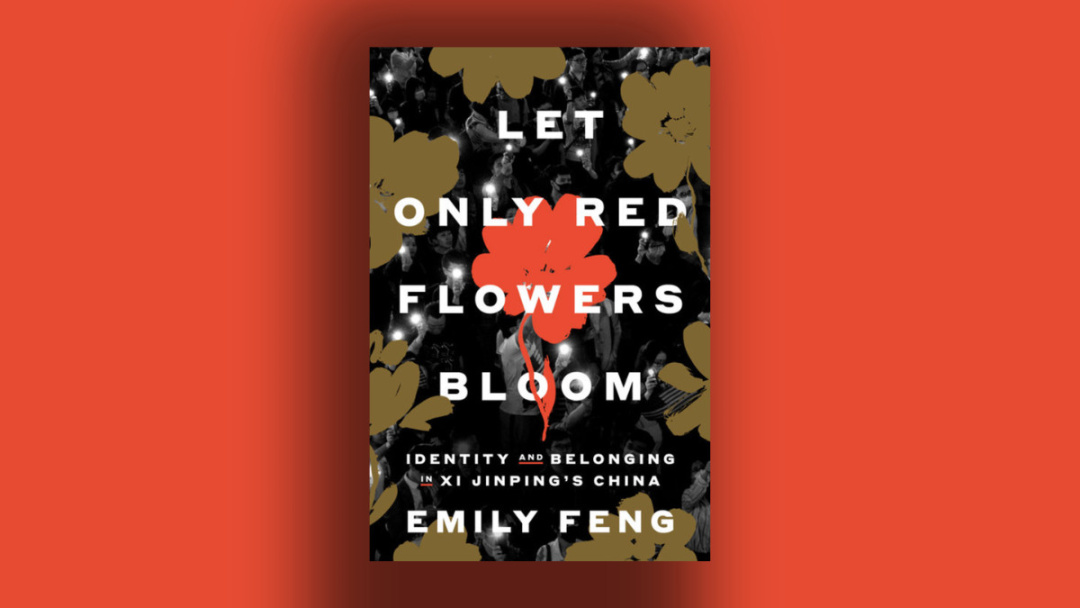
Emily Feng’s book, 'Let Only Red Flowers Bloom: Identity and Belonging in Xi Jinping’s China,' has emerged as a significant work for understanding the authoritarian abuses in China. On July 15, 2026, Hong Kong national security police conducted raids on two independent bookstores, arresting five individuals for allegedly selling publications deemed to have 'seditious intention' under the city’s national security laws. Among the seized titles was Feng’s book, which has sparked considerable interest and debate.
Feng, an American journalist with Chinese heritage, previously served as an international correspondent for National Public Radio in Beijing from 2019 to 2022. Her reporting often focused on critical issues, including the mass incarceration of Uyghur Muslims. After a reporting trip in 2022, she was barred from returning to China, a situation that reflects the broader trend of increasing restrictions on press freedom in the country. In 2020, China expelled numerous reporters from major news outlets in response to U.S. restrictions on Chinese state media, leading to ongoing challenges for foreign correspondents, including visa delays and harassment.
Ethnic Chinese journalists, like Feng, often face harsher treatment due to the Communist Party's perception of loyalty to the motherland. This has led to derogatory labels being used against her, such as 'race traitor' and 'banana,' a term implying she is not authentically Chinese. After being denied re-entry to China, Feng relocated to Taiwan, where she wrote her book, which centers on the experiences of individuals affected by the state’s oppressive policies.
The narrative features intimate portraits of nearly two dozen people whose lives intersect with the state’s narrow definition of being 'good' Chinese. These include a human rights lawyer whose license was revoked for representing a Hong Kong activist, a teacher punished for advocating for his mother tongue, and a Uyghur family affected by internment camps. Feng emphasizes that her book is not a history text but rather a collection of contemporary stories that highlight the ongoing struggles of these individuals.
Feng argues that Xi Jinping’s regime fears a collapse similar to that of the Soviet Union and seeks to eliminate any dissenting ideas. The government aims to mold the population into a conforming identity, characterized by ethnic Han heritage, Mandarin language, and loyalty to the Party. This has resulted in oppressive policies, such as the forced Mandarin-only education for children from minority communities and the intimidation of adults promoting their native languages.
The pressure to conform extends to Han Chinese citizens as well, with dissenters facing severe repercussions, including surveillance and job loss. One particularly striking case discussed in the book is that of the 'chained woman,' a victim of human trafficking whose story gained public attention in early 2022. The Chinese government’s attempts to cover up the incident only fueled public outrage and highlighted the human costs of policies like the one-child policy.
Feng’s book title references a phrase from Mao Zedong’s 1956 campaign, which invited criticism only to persecute those who spoke out. In contrast, Xi Jinping’s regime has abandoned such pretense, enforcing conformity through strict measures. The English edition of Feng’s book was published in March 2025 and received modest attention, but the recent raids on bookstores selling it have inadvertently increased its demand, leading to a reprint in Taiwan.
By labeling Feng’s work as seditious, the authorities have reinforced her central argument: many individuals refuse to conform to the state’s narrow identity definition. For many ethnic Chinese, purchasing and reading this book has become an act of quiet defiance against an authoritarian regime that seeks to silence dissent and enforce conformity.