Cyberattack on Manchester Airports Group Exposes Data of 8.7 Million Customers
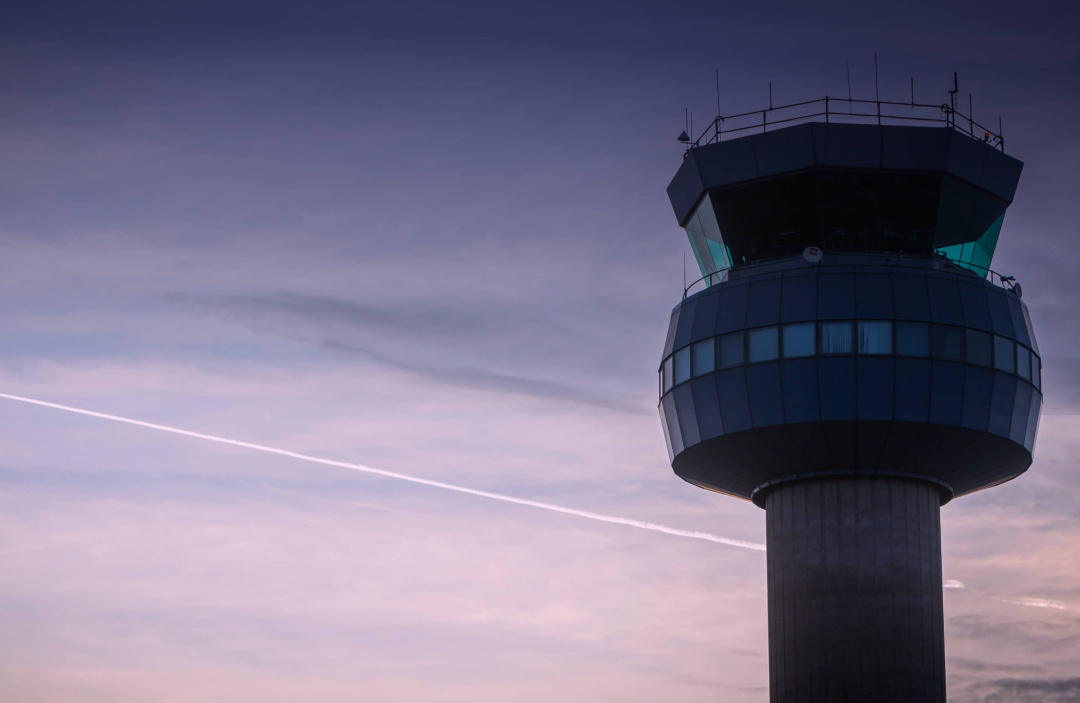
Manchester Airports Group (MAG) has reported a significant cyberattack that resulted in unauthorized access to the personal data of around 8.7 million customers. The breach affected three of England's busiest airports: Manchester, London Stansted, and East Midlands. According to MAG, the incident was discovered on August 25, following a breach that occurred over the preceding weekend.
The compromised data includes information related to car park bookings, lounge and fast-track security reservations, and airport Wi-Fi sign-ups. Specifically, the attackers accessed email addresses, phone numbers, vehicle registration numbers, and postcodes. Fortunately, MAG confirmed that no bank or payment details were stored in the compromised system. Most affected customers lost only their email addresses, although the extent of the impact varies based on the services utilized.
Despite the breach, airport operations and flights were not disrupted. As a precautionary measure, MAG temporarily suspended its Manage My Booking service, but all existing reservations remain valid. Customers needing to modify bookings within the next 72 hours can do so through a dedicated phone line.
MAG has urged affected individuals to be vigilant against unexpected communications, such as emails or phone calls, that may appear to be from the airport. The organization emphasized that it will never reach out unexpectedly to request payment or banking information. The warning is particularly pertinent, as the combination of an email address, phone number, and recent booking details could facilitate targeted phishing attempts.
The timing of the attack is notable, coinciding with the peak summer travel season when millions of families are returning to the UK. Last year, the three airports collectively served approximately 54 million passengers, with MAG recently reporting a record 66 million passengers across its network. This incident underscores the extensive personal data collected through ancillary services offered at these airports.
MAG has stated that it swiftly contained the incident, engaged external cybersecurity experts, and notified relevant authorities. As of now, no group has claimed responsibility for the attack, and investigators have not publicly linked it to any specific actor.
This breach adds to a growing list of cyberattacks targeting UK infrastructure. Earlier in August, hackers linked to Iran disrupted operations at a British power plant, marking a significant escalation in cyber threats. Previous attacks have also targeted major companies and disrupted services at various airports, highlighting the urgent need for enhanced cybersecurity measures across UK infrastructure.