Francis Lowell Coolidge: OSS Agent Who Parachuted into Enemy Territory in WWII
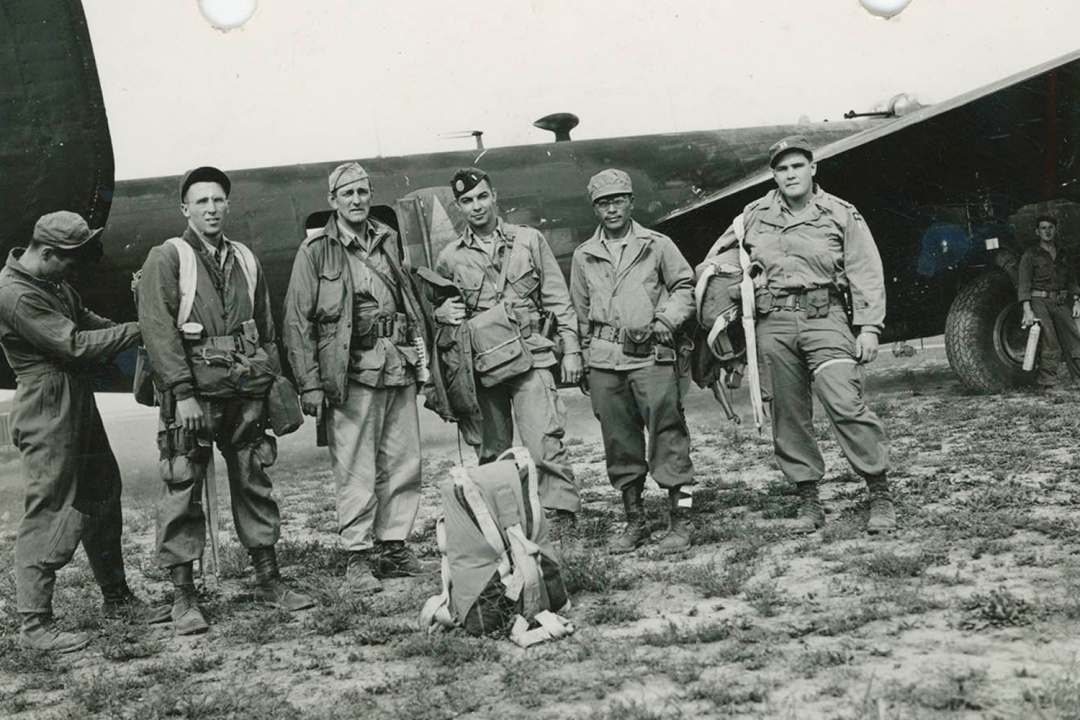
Francis Lowell Coolidge, a direct descendant of Thomas Jefferson, served as an agent with the Office of Strategic Services (OSS), the precursor to the CIA, during World War II. In August 1944, Coolidge, then 37 years old and a captain in the United States Army Air Forces, parachuted into Nazi-occupied France on a covert mission. He had previously requested a transfer to the OSS to utilize his skills as a French-speaking, parachute-trained officer in the fight against the Nazis.
Coolidge was part of the OSS's elite Special Operations branch in England, where he reconnected with Peter J. Ortiz, a fellow officer from his time in the French Foreign Legion. Ortiz was planning a deep-penetration operation, Union II, and invited Coolidge to join him. The mission involved jumping from a B-17 bomber at a dangerously low altitude to deliver munitions and supplies to the Bulle Battalion, a resistance unit led by Free French officer Jean Bulle.
Before embarking on this perilous mission, Coolidge wrote a heartfelt letter to his wife, Helen, to be delivered in case he did not return. In it, he expressed his love and gratitude, acknowledging the sacrifices made by their family during the war. The letter serves as a poignant reminder of the emotional toll of war on families.
Upon landing in France, the OSS team faced immediate challenges. One member, Sergeant Charles Perry, tragically died when his parachute failed to deploy. Despite the difficulties, the team successfully delivered supplies to the resistance fighters, who welcomed them with enthusiasm.
As the operation progressed, Coolidge and his team encountered fierce German resistance. During an ambush, Coolidge was wounded but managed to escape capture. Following the capture of Ortiz and several other team members, Coolidge took command of the remaining forces, continuing to support the resistance as they fought against the Germans.
After the successful completion of the mission in France, Coolidge returned to London, where he received a Purple Heart and a Silver Star for his bravery. His service did not end there; he later volunteered for another OSS mission in Japanese-held China, where he and his team were detained by Chinese forces.
Coolidge's experiences during the war highlight the bravery and sacrifices of OSS agents. After the war, he continued his career with the CIA, where he served in various capacities until his retirement in 1963. His story, while not widely known, reflects the complexities of espionage and the personal sacrifices made by those who served in the intelligence community during a tumultuous period in history.