The Bunker State: Analyzing National Security and Constitutional Concerns
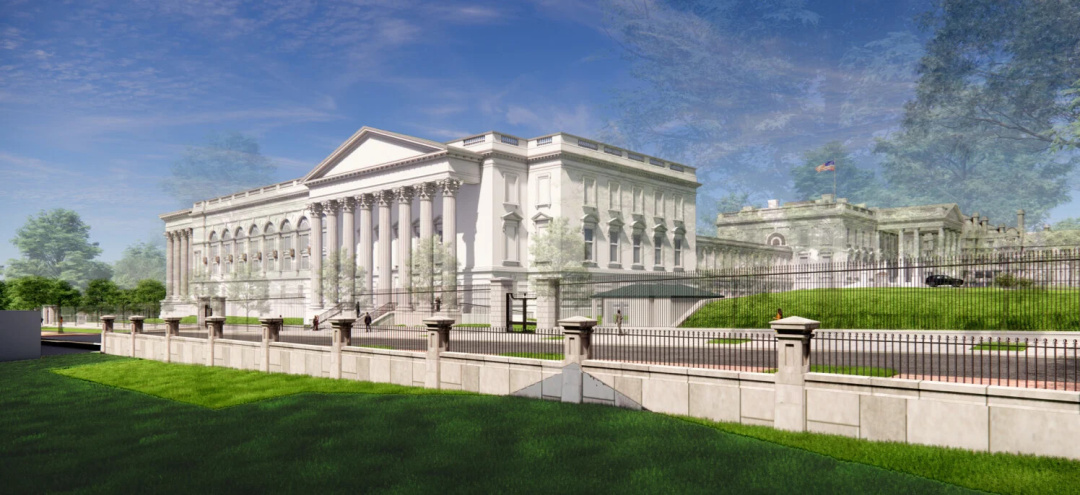
The construction of a massive underground military complex beneath the White House has been framed by the Trump administration as a necessary measure for national security. Initially presented as a lavish ballroom funded by taxpayers, this project has evolved into a significant military installation that includes bomb shelters, a hospital, and various military-grade facilities. Stephen Miller, Deputy Chief of Staff, has cited 'continuity-of-government interests' to defend the project, emphasizing the need for uninterrupted command during crises.
The rapid pace of construction suggests a strategic effort to solidify this project before it can be challenged by Congress or the courts. This approach raises concerns about the permanence of such measures, which could lead to a normalization of executive power and a shift towards authoritarian governance. The implications extend beyond the physical structure; they reflect a mindset that prioritizes the preservation of governmental power as a form of national security.
Continuity of Government (COG) planning, originally developed during the Cold War, aimed to ensure that the federal government could maintain command in the event of a catastrophic attack. However, the expansion of emergency powers following events like the September 11 attacks has blurred the lines between necessary security measures and the erosion of constitutional rights. The government's ability to function underground does not guarantee the preservation of democratic principles or the rule of law.
As the government increasingly operates under a state of emergency, the risks associated with this bunker mentality become apparent. The justification for extraordinary powers can arise from various crises, including terrorism, cyberattacks, or civil unrest. This trend raises critical questions about the future of democratic governance and the protection of individual rights.
The current trajectory suggests that the mechanisms of control established during emergencies may become permanent fixtures of governance. The challenge lies in ensuring that the Constitution and the rights it guarantees are upheld, even in times of crisis. Without a commitment to preserving these principles, the very foundations of the republic may be at risk, as the government prioritizes its survival over the constitutional order.