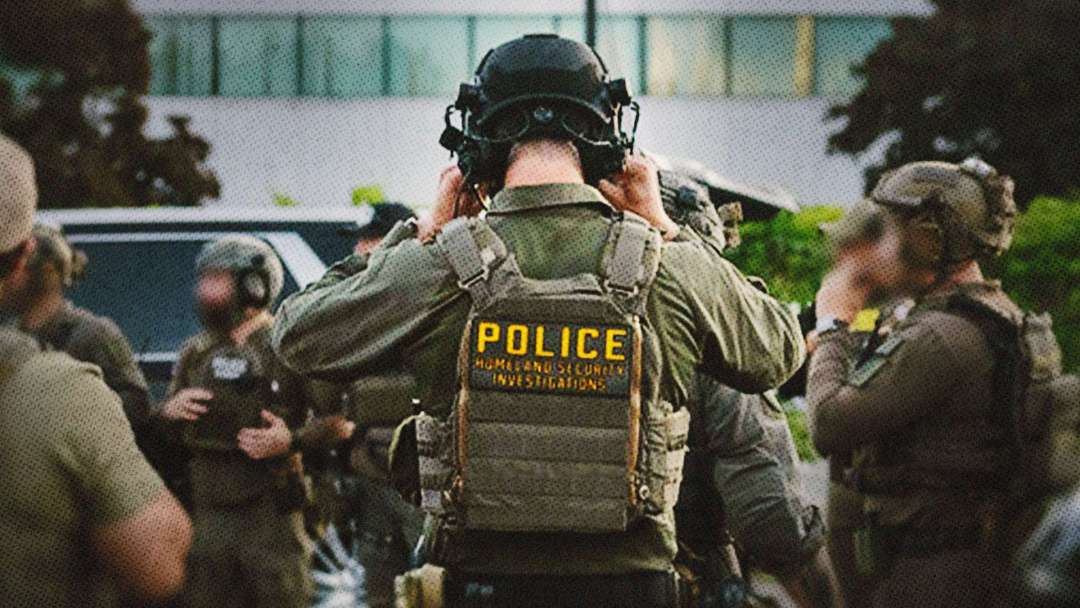
DHS Surveillance Operation Targeted ICE Protesters in Minnesota Communities
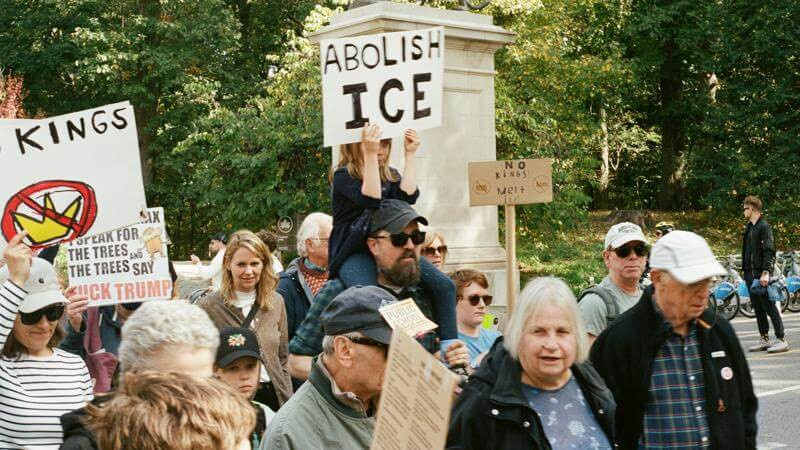
Recent court documents have unveiled alarming details about a federal surveillance operation targeting protests against ICE in Minnesota. Undercover agents from the Department of Homeland Security infiltrated various community spaces, including churches, libraries, and private group chats, as part of what has been termed Operation Puppet Master. The operation coincided with protests following the death of Nicole Renee Good and involved agents secretly recording meetings, photographing license plates, and even accessing financial records from unions and progressive organizations.
One notable instance involved an undercover agent using the Signal handle "peanutbutterjelly," who not only observed but also engaged with protest organizers by offering assistance with fundraising and protest materials. This agent's actions included attending anti-ICE meetings at Prince of Peace Lutheran Church, where they documented attendees' personal information, including names and vehicle registrations, raising significant privacy concerns.
The operation extended to University Baptist Church, where an agent participated in a martial arts class while wearing a concealed recording device. The absurdity of the situation was highlighted when the agent accidentally dropped the recorder during the class, only to return moments later to retrieve it.
These surveillance efforts have drawn criticism from religious groups and civil rights advocates, especially since some churches were supposed to be protected from such actions by a federal court order. The breadth of the operation has led to accusations that DHS is not merely investigating crimes but is also attempting to suppress political dissent.
As the situation unfolds, a federal judge has demanded that the government explain its actions, particularly regarding the apparent violation of legal protections for religious institutions. The revelations have sparked a broader conversation about the implications of government surveillance on community activism and the chilling effect it may have on free speech and assembly rights.