Cyberattacks on US Water Facilities Linked to Iranian Plot by Firm
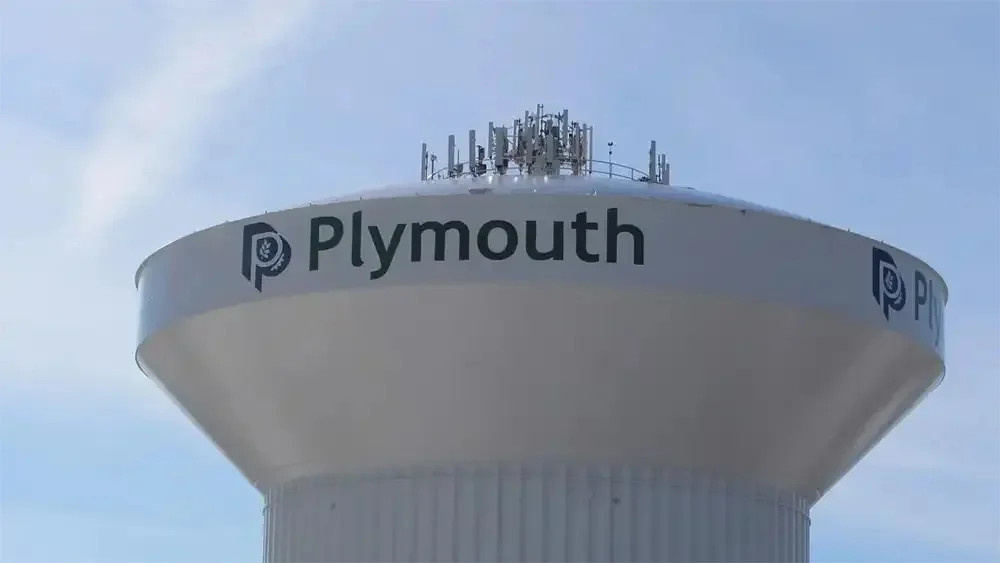
Cyber Av3ngers has been linked to multiple cyberattacks on US water facilities, including 30 incidents in Minnesota during July. A US cybersecurity firm, DRAGOS, has determined that these attacks are part of an Iranian plot. The CEO of DRAGOS, Robert M. Lee, has a background as a former US Air Force Cyber Warfare Analyst and has been involved in significant cybersecurity discussions at the World Economic Forum. This connection raises questions about the credibility of the claims made by DRAGOS, especially considering the firm's proximity to military operations in Hanover, Maryland, near Fort Meade, home to US Military Cyber Command.
The narrative surrounding these cyberattacks is further complicated by the historical context of Israeli military actions against water facilities in the region. Reports indicate that Israel has targeted water infrastructure in Gaza, Lebanon, Syria, and Libya, raising concerns about the motivations behind attributing these cyberattacks to Iran. In July 2020, Israel reported thwarting two cyberattacks on its own water systems, attributing them to Iran without providing concrete evidence.
The geopolitical landscape is fraught with tension, as accusations and counter-accusations between Israel and Iran continue to escalate. The implications of these cyberattacks extend beyond mere technical breaches, as they intertwine with broader narratives of national security and military strategy. The involvement of DRAGOS, a firm with military ties, adds another layer of complexity to the situation, prompting scrutiny of the motivations behind their assessments.
As the situation evolves, the international community watches closely, aware that the dynamics of power and influence in the region are continually shifting. The potential for misinterpretation or manipulation of these events underscores the need for careful analysis and reporting on such sensitive topics.