Trump Overlooks Intelligence Warnings on Iran Military Strike Outcomes
A recent report indicates that U.S. President Donald Trump disregarded direct warnings from Tulsi Gabbard, who was then the Director of National Intelligence, regarding the implications of a military strike on Iran. The operation, which commenced on February 26, 2026, has now been ongoing for six months without fulfilling its intended goals, as highlighted in a Wall Street Journal article published on August 25.
Gabbard cautioned Trump that targeting Iran's supreme leader could result in a more hardline regime that might pursue nuclear capabilities. She also warned that such actions could lead to the closure of the Strait of Hormuz, significantly impacting the global energy market, and provoke attacks on U.S. forces and allies in the region.
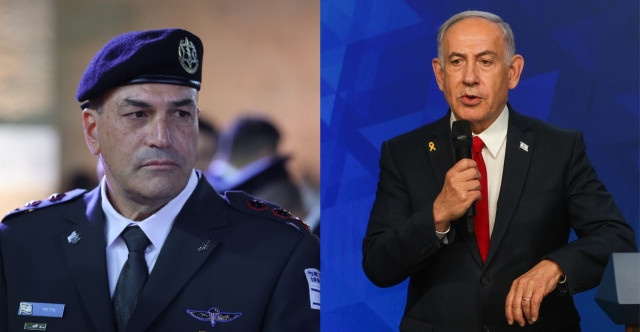
The warnings echoed assessments from various military leaders, who expressed concerns about potential casualties, depletion of weapon stockpiles, and readiness issues for an already overstretched military. Intelligence analysts reportedly dismissed Israeli Prime Minister Benjamin Netanyahu's optimistic predictions of regime change in Iran as unrealistic.
Despite these cautions, Trump proceeded with the military operation, influenced by Netanyahu's assertion that Iran was on the verge of regime change. This perspective was met with skepticism from U.S. intelligence analysts, who labeled the Israeli claims as farcical. Secretary of State Marco Rubio also expressed doubts about the feasibility of such a military strategy.
Joint Chiefs Chairman Dan Caine provided Trump with a stark military assessment, warning that a significant campaign against Iran would severely deplete U.S. weapon stockpiles, including crucial missile interceptors, with no clear strategy for replenishment. Reports indicate that the ongoing conflict has already exhausted much of the Army's long-range missile inventory, raising alarms about the U.S. military's capacity to deter other adversaries.
Vice President JD Vance also cautioned Trump about the potential financial burden of a war against Iran, which could lead to widespread regional instability and casualties, ultimately jeopardizing Trump's political coalition. The ongoing conflict has not only strained military resources but has also failed to bring about the anticipated regime change in Iran, which remains firmly in power.