CIA Director John Ratcliffe's Moscow Visit Sparks Speculation on Ukraine
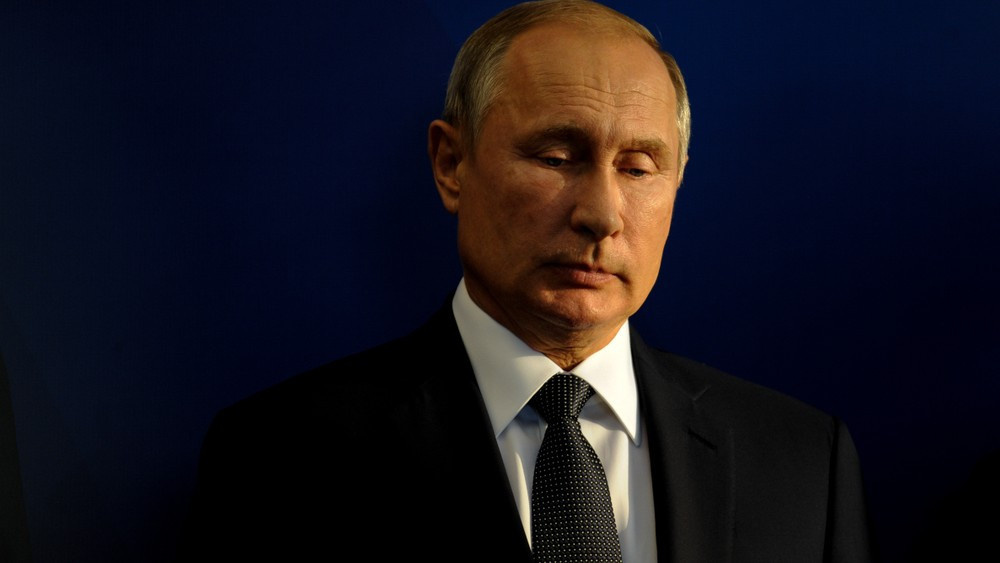
CIA Director John Ratcliffe's unannounced visit to Moscow on August 25 has drawn attention amid ongoing tensions related to the war in Ukraine and Iran's relationship with Russia. U.S. officials confirmed the trip, which is notable as it is Ratcliffe's first known visit to Russia since he assumed the role under President Donald Trump. The purpose of the visit remains unclear, as officials have not disclosed details about his meetings or discussions.
Flight-tracking data indicated that a U.S. military transport aircraft traveled from the United States to Moscow, landing at Vnukovo Airport early on August 25 and departing later that day. This unusual movement has raised questions about the significance of Ratcliffe's trip, especially given the delicate geopolitical climate.
Experts suggest that the stakes of the visit are high. Glen Howard, a Russia expert, noted that CIA directors typically do not travel to Moscow without a critical agenda. He referenced the last known visit by a CIA chief, William Burns, who met with Russian President Vladimir Putin in November 2021, shortly before the full-scale invasion of Ukraine.
One possible focus of Ratcliffe's discussions could be the ongoing conflict in Ukraine. Analysts speculate that he may seek to assess whether Russia can be persuaded to negotiate an end to the war, which has seen U.S.-brokered efforts stall despite previous diplomatic engagements.
Bradley Bowman, a senior director at the Foundation for Defense of Democracies, emphasized that Ratcliffe should prioritize a direct demand for Putin to cease hostilities in Ukraine, warning that failure to do so would result in increased consequences for Russia. Additionally, Bowman highlighted concerns regarding Russia's military support for Iran, suggesting that Ratcliffe may address this issue during his meetings.
The visit comes on the heels of U.S. Treasury Secretary Scott Bessent's announcement of a new initiative aimed at cutting off economic support for Iran, indicating a broader strategy to counter Tehran's influence.
Howard speculated that Ratcliffe's mission could involve persuading Russia to halt its assistance to Iran, particularly in military capabilities that could threaten U.S. interests. Reports have indicated that Russia has provided Iran with targeting information and military tactics, which may bolster Iran's military resilience.
Ratcliffe's reputation as a hawk on Russia adds another layer of complexity to the visit. His advocacy for maintaining CIA support in Ukraine suggests a strong alignment with the administration's approach to countering Russian aggression.
While the exact nature of Ratcliffe's discussions remains undisclosed, the visit raises important questions about U.S.-Russia relations and the ongoing conflict in Ukraine. Observers are left to ponder whether this trip signifies an escalation in tensions, a potential diplomatic opening, or a strategic intelligence exchange. As Washington continues to push for an end to the war, the Kremlin's response to U.S. overtures remains uncertain, particularly as Putin has rejected calls for negotiations under current conditions.