Israeli Government Advances Controversial Crocodile Moat Plan for Prison
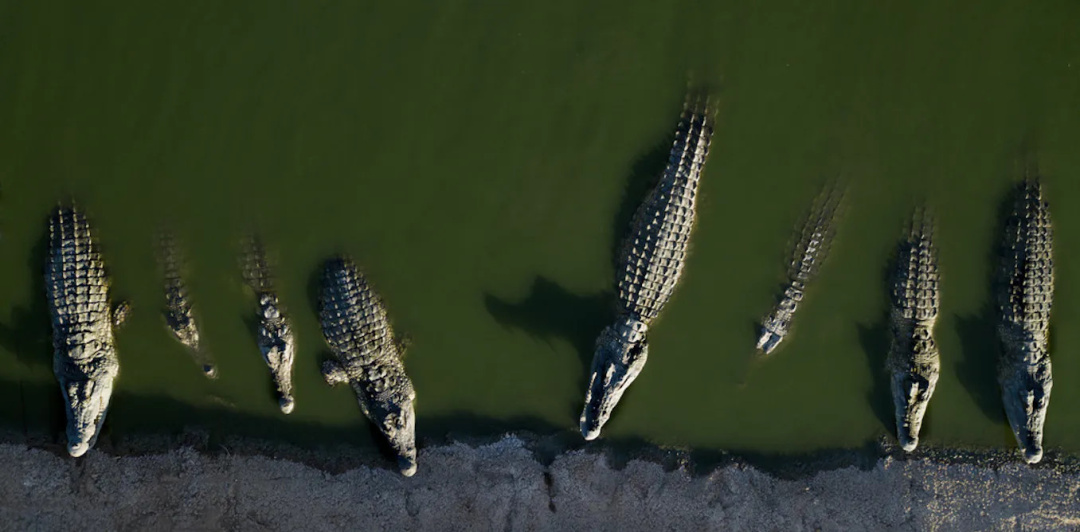
Israeli National Security Minister Itamar Ben-Gvir has proposed a controversial plan to surround a prison holding Palestinian security detainees with Nile crocodiles. Initially dismissed by many as a publicity stunt, the plan has gained traction despite a temporary injunction from an Israeli court that prevents the transfer of crocodiles to the proposed site at Ketziot prison. On August 5, 2026, just days after the court's ruling, Ben-Gvir and Environmental Protection Minister Idit Silman visited the site, showcasing their determination to proceed with the project.
The crocodile moat plan reflects a troubling history of weaponizing animals within the context of settler colonialism, where animals have been used to exert control and dehumanize marginalized communities. Historically, Nile crocodiles thrived in the region until habitat destruction led to their eradication by the early 20th century. They later reappeared as commodities through crocodile farms, which have been criticized for their treatment of the animals.
Despite being classified as protected wildlife, a 1990 amendment to Israeli law allowed for the commercial breeding of crocodiles, leading to the establishment of several farms across Israel and the Palestinian territories. However, public safety concerns arose when crocodiles escaped from these farms, prompting the government to revoke their cultivated wildlife designation.
In 2025, Israeli authorities killed 262 crocodiles at a breeding facility, citing negligence and public safety risks. In response to Ben-Gvir's request, the environmental minister revived the cultivated wildlife category to permit the use of crocodiles for security purposes, a move that has faced significant opposition from conservation experts and legal advisors.
Critics argue that crocodiles are ill-suited for prison security, as they are inactive for long periods and modern prisons have more effective surveillance technologies. In an urgent appeal, 36 leading ecologists warned of the potential dangers associated with this plan, emphasizing the ethical implications of comparing human prisoners to animals.
Ben-Gvir's comments, suggesting that those who commit violent acts deserve to be guarded by animals, highlight the dehumanizing rhetoric surrounding this proposal. The ongoing construction at the prison site, which has already received substantial funding, underscores the Israeli government's commitment to this controversial initiative.
The crocodile moat plan not only raises questions about animal welfare but also reflects broader issues of colonialism and the treatment of marginalized populations. As the case progresses through the courts, the implications of this plan continue to provoke debate about ethics, security, and the treatment of both animals and humans in conflict zones.