Germany Issues Warning to US Over Election Interference Amid New Grants
Germany has issued a strong warning to the United States regarding potential election interference after the US State Department announced a grants scheme that funds causes aligned with Maga ideology in Europe. This initiative has raised significant concerns about foreign meddling in democratic processes, particularly in light of upcoming elections in Germany.
The US State Department's grants, which can reach up to $3 million, are intended for European charities, think tanks, and individuals. The funding aims to address issues such as national sovereignty, migration, censorship, and lawfare challenges, all framed within a shared political philosophy and common Western civilizational heritage.
Critics argue that this initiative represents a direct attempt to influence European politics, especially with German state elections approaching in September. Former US officials have described the grants as part of a broader effort to repurpose government funds to support far-right groups and potentially political parties abroad.
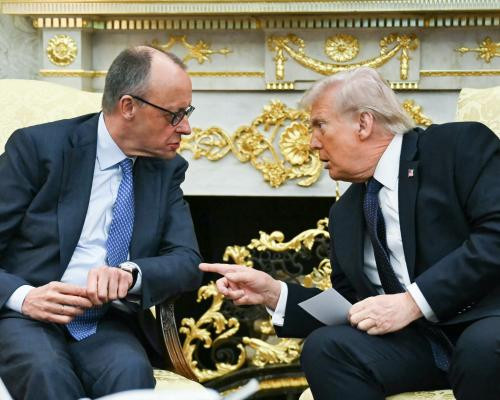
Chancellor Friedrich Merz has made it clear that Germany does not interfere in American elections and has expressed his desire for the American government and its affiliated institutions to refrain from interfering in German elections. He emphasized that financing political parties from abroad is illegal in Germany, highlighting the potential legal implications of the US grants scheme.
This situation has created a significant diplomatic tension between the two allies, as Germany perceives the grants as a clear form of election interference that undermines its democratic sovereignty. The initiative is seen as part of a broader trend where the US government has sought to influence foreign elections, particularly during the Trump administration.
Former State Department officials have warned that the ambiguous language surrounding eligibility for the grants—including references to “individuals” and “governmental institutions”—could lead to abuses and potentially destabilize democratic institutions in Europe. Experts are concerned that this could usher in a new era of election interference, raising alarms about the integrity of democratic processes across the continent.