CIA Director John Ratcliffe's Visit to Russia Signals Increased US Engagement
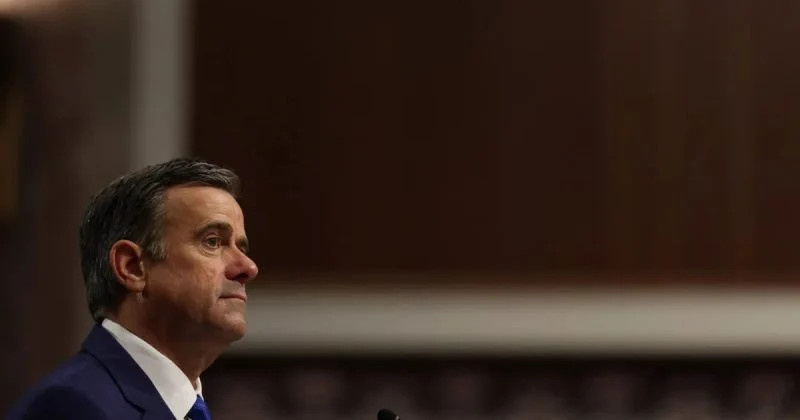
CIA Director John Ratcliffe's reported trip to Russia signifies a notable escalation in direct US engagement with Moscow during a particularly tense period in their bilateral relationship. This visit comes amid heightened diplomatic activity between the US and Russia, with the ongoing war in Ukraine continuing to shape the geopolitical landscape. Both nations have shown varying degrees of openness to dialogue, making this trip particularly significant.
Ratcliffe has emerged as a key figure in the Trump administration's international dealings. Confirmed as CIA Director on January 23, 2025, with a Senate vote of 74-25, he has taken on a role that extends beyond traditional intelligence responsibilities. His diplomatic efforts include a phone call in March 2025 with Russia's spy chief, marking the first direct communication between the two intelligence services in over two years.
In January 2026, Ratcliffe met with Venezuela's interim President Delcy Rodríguez, and in May 2026, he became the highest-ranking Trump administration official to visit Cuba in recent years. During the Cuba trip, he conveyed a message from the US administration that linked economic and security collaboration to specific demands, particularly urging Cuba to limit Russian and Chinese intelligence operations on the island. The ongoing energy crisis in Cuba provided the US with additional leverage in these discussions.
The March 2025 phone call with Russia's spy chief broke a two-year communications freeze, and a physical visit by Ratcliffe suggests that the discussions from that call have gained enough momentum to warrant in-person meetings. Historically, the CIA has played a crucial intermediary role during periods of high tension, as seen when former CIA Director William Burns traveled to Moscow in late 2021 to deliver warnings about a potential invasion of Ukraine, although those warnings did not prevent the subsequent conflict.
Overall, Ratcliffe's reported trip to Russia highlights a significant moment in US-Russia relations, reflecting a strategic shift in how the US engages with Moscow amid ongoing geopolitical challenges.