Asim Munir's Diplomatic Mission in Tehran: Aiming to Reopen Talks with Iran
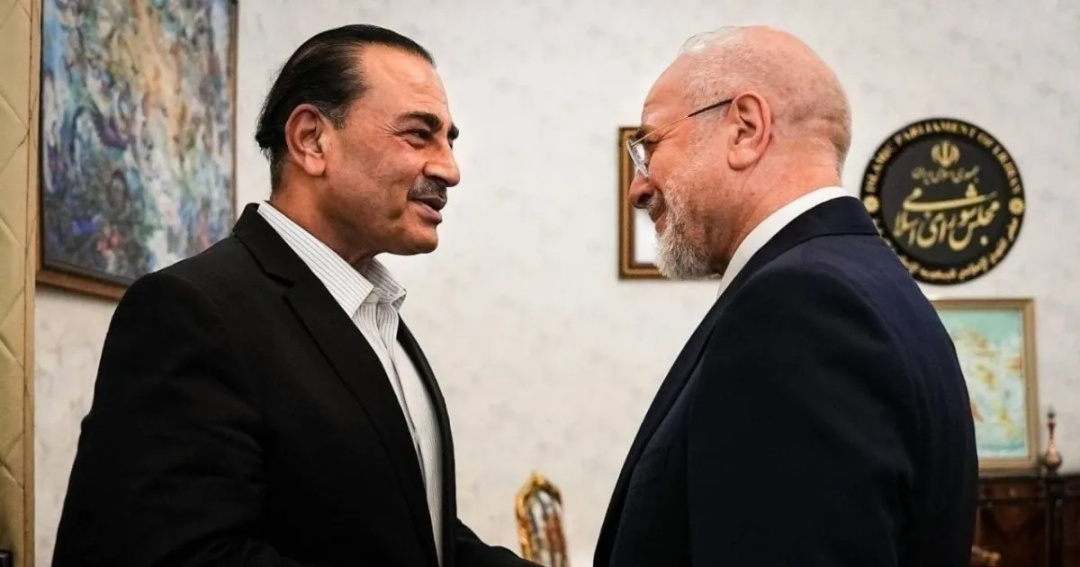
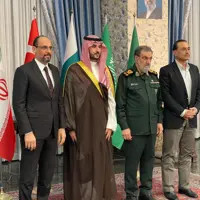
Pakistani Field Marshal Asim Munir recently visited Tehran, navigating the political landscape by meeting with influential figures such as Iranian President Masoud Pezeshkian and Parliament Speaker Mohammad Bagher Ghalibaf. This visit comes amid a stalemate in peace negotiations between Iran and the United States, with analysts suggesting that Munir's role as a military leader may be crucial in persuading Iranian military officials to engage in talks with Washington.
In the lead-up to Munir's visit, President Pezeshkian emphasized the need to conclude the ongoing conflict while Iran is in a position of strength. His remarks were echoed by Major-General Ali Abdollahi, who warned of severe repercussions for any American missteps. This divergence between the Iranian civilian leadership and military command presents a challenge for Munir, who must bridge this gap to facilitate dialogue.
A significant aspect of Munir's trip was his meeting with General Mohsen Rezaei, a key figure in Iran's military hierarchy and a representative of Supreme Leader Mojtaba Khamenei. Rezaei's position is pivotal, as he connects military strategies with the political directives from Khamenei. Munir's discussions in Tehran coincided with heightened tensions regarding U.S. sanctions against Iran, which were set to escalate under the Trump administration.
The U.S. Treasury Secretary had recently announced a broad sanctions campaign targeting various sectors of the Iranian economy, while Defense Secretary Pete Hegseth hinted at the possibility of military action if Iran provoked further conflict. Munir's diplomatic efforts are seen as a potential buffer against these escalating tensions, especially following a direct request from President Trump for Pakistan to leverage its influence in the region.
Pakistan's Inter-Services Public Relations reported that the discussions in Tehran were comprehensive, focusing on reopening the Strait of Hormuz and seeking an end to hostilities. Interior Minister Mohsin Naqvi, who accompanied Munir, described the talks as positive and indicated that significant progress had been made.
This visit marks Munir's fourth trip to Tehran this year, occurring shortly after changes in Iran's military leadership. The new appointments within the Iranian military may provide Munir with a unique opportunity to engage with decision-makers who are increasingly influential in shaping Iran's approach to the conflict.
Analysts suggest that Munir's military background may afford him a level of trust and respect among Iranian leaders that traditional diplomats may not possess. His ability to navigate the complex dynamics between Iran's military and civilian leadership will be critical in determining the success of his mediation efforts.
As the situation develops, the interplay between Munir's diplomatic initiatives and the ongoing military and economic pressures from the U.S. will be closely monitored, as both sides seek a resolution to the current crisis.