Political Opposition to AI Infrastructure Threatens U.S. National Security
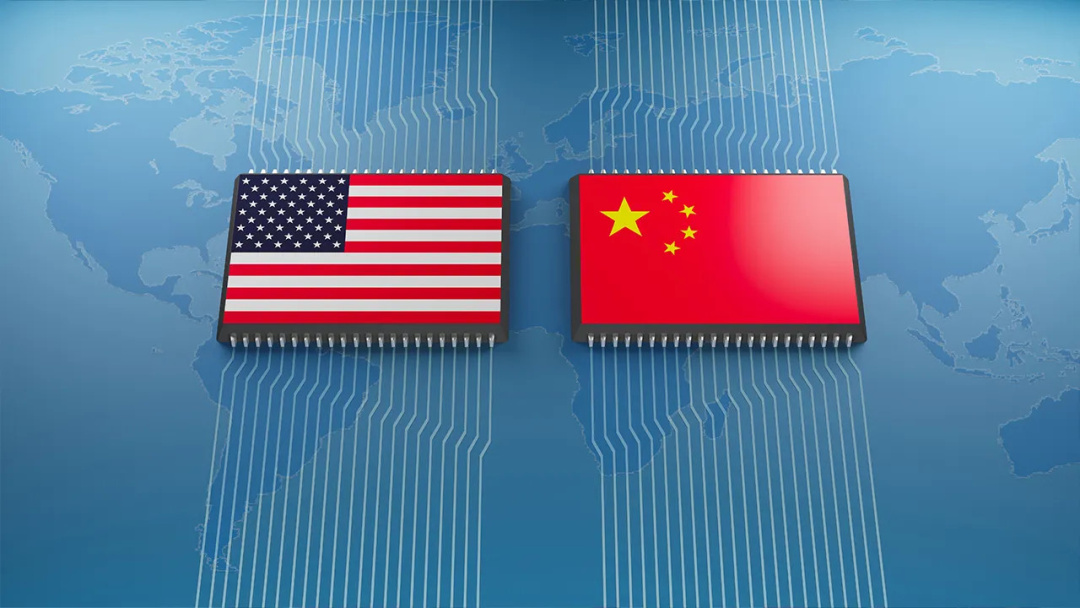
The political landscape in the United States is increasingly impacting the development of artificial intelligence infrastructure, which is vital for national security and economic growth. As the U.S. faces a new AI Cold War with China, the progressive Left is reportedly working to block critical data center construction projects. This opposition is not only a domestic issue but is also believed to be encouraged by foreign adversaries, particularly China, which seeks to undermine U.S. technological advancements.
In 2023, a report by the New York Times highlighted the activities of Neville Roy Singham, an American based in Shanghai, who is accused of financing leftist nonprofits in the U.S. that align with Chinese government interests. These groups, which include organizations like Code Pink and The People's Forum, are said to be interconnected and have been instrumental in amplifying anti-data center sentiments across the country.
The Bitcoin Policy Institute has documented how these activist groups, particularly the Party for Socialism and Liberation, have effectively delayed or blocked approximately $24 billion in proposed investments for AI infrastructure. Their campaigns have been described as a coordinated effort to disrupt the U.S. AI sector, which is critical for maintaining a competitive edge against China.
Despite the urgency of the situation, leaders in the AI industry have been slow to respond to the growing anti-data center narrative. Recently, some companies have begun to highlight the economic benefits of data centers, such as increased tax revenues that support local communities. For instance, a Meta data center in Louisiana significantly boosted local sales tax revenue, benefiting public services like education.
As concerns about energy consumption and environmental impact grow among local residents, some states are taking action to ensure that data centers are held accountable for their resource use. However, the broader narrative surrounding AI and its potential to replace jobs remains contentious. With a shrinking workforce due to retiring baby boomers and declining immigration, many argue that AI is necessary to sustain economic growth and fill labor gaps.
The political implications of the AI backlash are significant, with both Republican and Democrat candidates using the issue as a political weapon in upcoming elections. The stakes are high, as failure to advance U.S. AI capabilities could ultimately benefit adversaries like China. As Senator John Fetterman noted, the intersection of AI supremacy and energy dominance is crucial for national security, underscoring the importance of addressing these challenges head-on.