Iran Conflict Cyberattacks Expose Critical Infrastructure Vulnerabilities
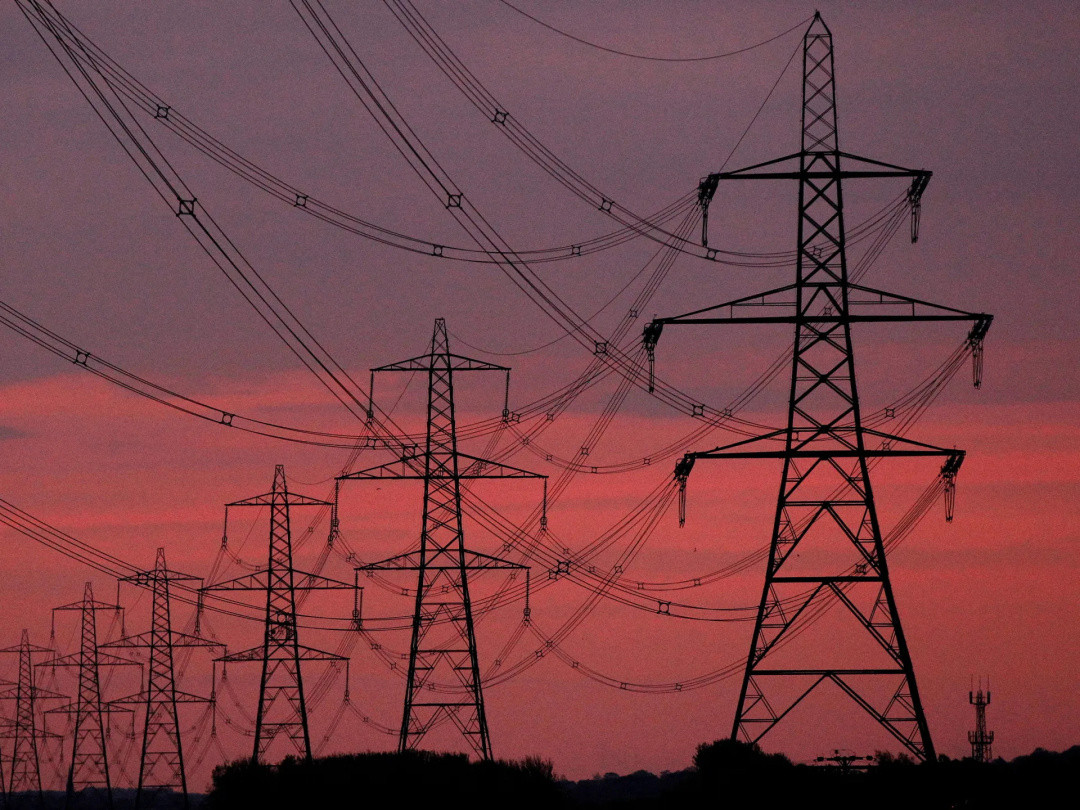
Recent media reports have highlighted a cyberattack that forced a British power plant offline for four days, underscoring the serious implications of the Iran conflict on global cybersecurity. While the British government emphasized that there was no risk to the broader energy system, the incident serves as a warning to nations worldwide about the potential for cyberwarfare to escalate. The targeted facility was relatively small, but the attack raises critical questions about the vulnerabilities of larger infrastructures.
Concerns extend beyond the UK, as water and wastewater systems in at least 12 states in the United States have also reported cyberattacks, with over 30 community water systems affected in Minnesota alone. In Georgia, a cyber incident resulted in a drop in water pressure, leading to a boil-water advisory. Although the US government has not publicly attributed these attacks to Iran, reports suggest involvement from a hacker group linked to the Islamic Revolutionary Guard Corps (IRGC).
This shift in the nature of cyber threats is significant. Historically, discussions around cybersecurity have focused on data breaches and information theft. However, attacks on critical infrastructure pose a different kind of risk, as they can disrupt essential services that societies rely on, such as electricity, water supply, and transportation. The increasing interconnectivity of these systems through technology creates both efficiencies and vulnerabilities.
US authorities have specifically warned about Iranian-affiliated actors targeting programmable logic controllers, which are crucial for controlling physical processes in various sectors. This trend highlights the need for countries beyond the Middle East to consider their exposure to cyber threats, as geography offers little protection in the digital realm.
It is essential to recognize that the objectives of cyberattacks can vary. While some may aim for catastrophic damage, others might seek intelligence, disruption, or simply to demonstrate capability. Smaller incidents can provide insight into an attacker's intent and capabilities, making them significant in the broader context of cybersecurity.
Moreover, critical infrastructure does not operate in isolation. Energy systems support communications, healthcare, and finance, while water systems depend on power and digital controls. A successful attack on one sector can have cascading effects on others, emphasizing the importance of resilience alongside defense strategies.
Governments and operators must prepare for the possibility of successful cyberattacks. This includes understanding how to maintain essential services if automated systems are compromised and ensuring that manual controls are available. The FBI has advised US water utilities to practice reverting to manual operations, acknowledging the reality that resilience must be part of cybersecurity planning.
As the landscape of cyber threats evolves, it is crucial for governments and organizations to assess their vulnerabilities, particularly where operational technology is accessible online. The recent incidents serve as a stark reminder that cybersecurity is now integral to the protection of vital systems that underpin societal function. Preparing for potential weaknesses in critical infrastructure is essential, as discovering these vulnerabilities during an actual attack could have dire consequences.