Mossad Director Supports Controversial Industrial Zone for Bedouin Community
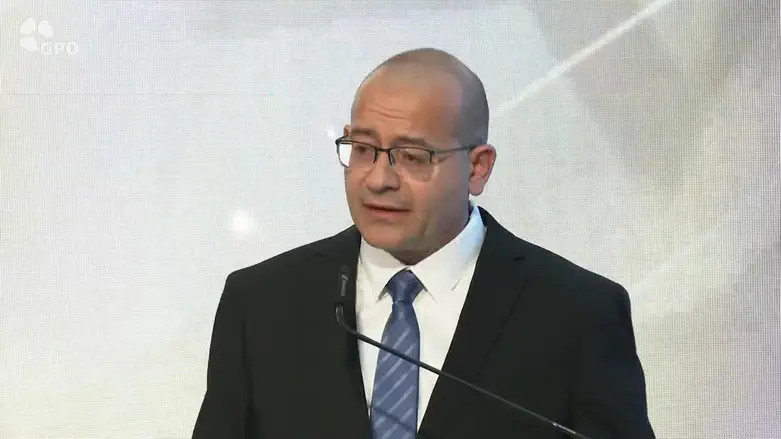
An initiative to create a joint industrial zone for the Bedouin community of Bir Hadaj and the Ramat Negev Regional Council has recently gained attention, particularly following the endorsement from Mossad Director Roman Gofman. The proposed industrial zone would span approximately 200,000 square meters and has been on the table for years without implementation. After facing challenges in advancing the project, the Negev Desert Regional Council, which oversees Bir Hadaj, sought collaboration with Ramat Negev to push the initiative forward.
The proposal has sparked controversy, with some members of the Ramat Negev Council expressing concerns during a recent meeting. They cited ongoing issues related to crime, including weapons and drug smuggling, as reasons for their reservations about the cooperation.
In the midst of this debate, Ramat Negev Council head Eran Doron presented a letter of support from Gofman, who noted his familiarity with the area from his military service. Gofman described the initiative as a courageous move with significant strategic value. He argued that fostering economic and employment opportunities could bolster the state's presence in the region, alleviate social tensions, and diminish the influence of criminal elements.
While acknowledging the risks associated with the plan, Gofman stressed the importance of a gradual and responsible implementation, with appropriate monitoring and enforcement mechanisms. He highlighted that the majority of the local population is law-abiding and seeks better prospects for their families. By expanding employment opportunities, the initiative could help reduce criminal activity and enhance the partnership between the community and the state.
Itzik Tzur, CEO of Ramat Negev’s economic development company, addressed the concerns raised, emphasizing that the project is intended to benefit the many law-abiding residents of Bir Hadaj who are in need of jobs. He acknowledged the area's criminal activity but insisted that the focus should be on the positive potential for local employment.
Opposition to the plan was voiced during the council discussion, with member Avi Friza cautioning that the cooperation might send a negative message given the area's crime issues. In response, Doron argued for the need to differentiate between criminals and the broader community, asserting that empowering law-abiding residents aligns with both security and civic interests.
Supporters of the initiative pointed to the Idan HaNegev industrial zone, which is jointly operated by Rahat, Lehavim, and the Bnei Shimon Regional Council, as a successful example of regional cooperation despite its challenges.
Ultimately, the proposal received approval from a majority of nine council members, with three opposing it. Salama Abu Edissen, head of the Neve Midbar Regional Council, welcomed the decision, stating that economic security leads to personal security. He noted that individuals often turn to crime due to a lack of opportunities, and creating jobs could significantly improve the community's situation.