S.H.I.E.L.D. Transforms into Major Threat for Avengers in Marvel Comics
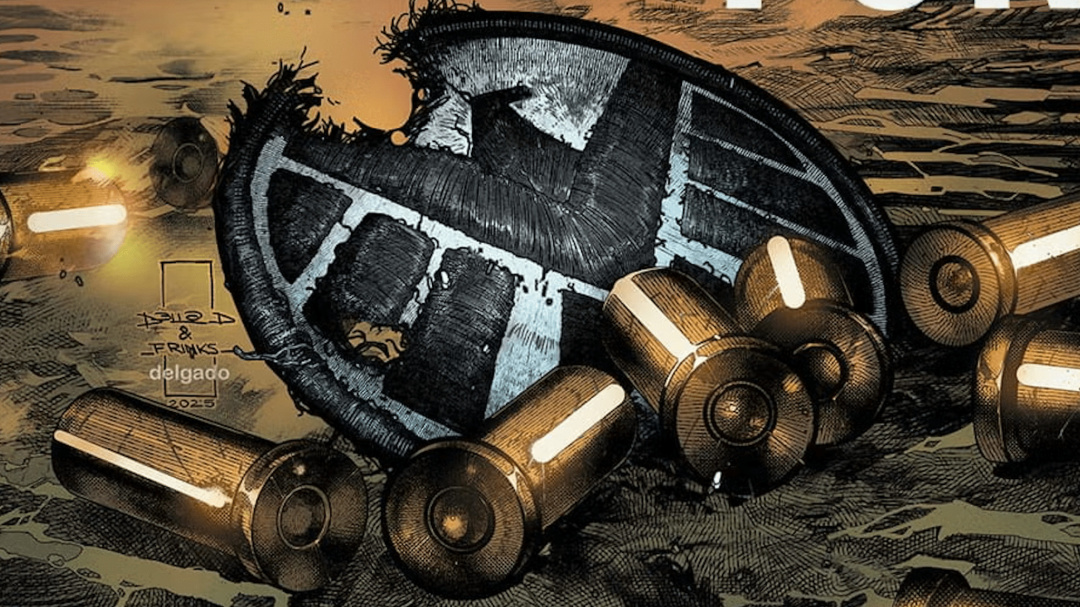
In the realm of Marvel Comics, S.H.I.E.L.D. has long been recognized as a pivotal organization, initially introduced in 1965 and primarily led by the super-spy Nick Fury. Known for its role in international peacekeeping and counterterrorism, S.H.I.E.L.D. faced significant challenges following the events of Secret Empire, which saw the agency infiltrated and dismantled nearly a decade ago. Recently, Nick Fury Jr. has sought to restore his father's legacy by reestablishing S.H.I.E.L.D. as a small but evolving force of superhumans. However, in the latest issue of Avengers: Armageddon #3, Fury unveils a drastic transformation in S.H.I.E.L.D.'s mission, potentially making it the greatest threat the Avengers have ever encountered.
The current state of the Marvel Universe is tumultuous, with Doctor Doom's reign ending in chaos and the rise of the super-soldier David Colton, who poses a significant threat by targeting the world's nuclear arsenal. In light of these escalating global crises, Fury reveals the true intent behind S.H.I.E.L.D.'s revival, which could alter the balance of power.
Historically, S.H.I.E.L.D. has stood for "Strategic Homeland Intervention, Enforcement, and Logistics Division," serving as both an ally and adversary to the Avengers. However, the recent developments in Avengers: Armageddon #3 indicate a shift towards a more ominous role, positioning S.H.I.E.L.D. directly against Earth's Mightiest Heroes.
Despite the Avengers' victory over the Red Hulk and his super-soldier forces, the aftermath has left a trail of destruction. Black Panther's discovery of anti-Hulk weaponry among the world's armies raises critical questions about the Avengers' involvement in global conflicts and the source of these weapons. Fury's admission of supplying these anti-superhuman tools marks a significant pivot in S.H.I.E.L.D.'s approach, now rebranded as the "Strategic Human Intervention, Enforcement, and Logistics Division." This new designation signifies a commitment to acting as humanity's primary defense against superhuman threats.
S.H.I.E.L.D.'s evolving mission has led to the development of specialized weapons aimed at neutralizing the Avengers should they go rogue. This shift underscores a broader agenda to reassert non-superhuman authority globally. As the Avengers grapple with the ramifications of Colton's actions and the looming threat of global conflict, S.H.I.E.L.D. emerges as a persistent adversary, equipped with extensive intelligence on the Avengers' operations.
The narrative in Avengers: Armageddon delves into themes of power dynamics and the fraught relationship between superhumans and the general populace. The Avengers have faced public scrutiny due to past controversies and disasters, leading to a growing sentiment among the populace that they may be more of a danger than a safeguard. Fury's new directive for S.H.I.E.L.D. reflects a widespread discontent with the Avengers' perceived overreach in international affairs and law enforcement.
The Avengers' history is marred by instances of power abuse, including the Civil War events that resulted in widespread destruction and the controversial actions of members like Captain Marvel and Scarlet Witch. These incidents have fostered a climate of fear regarding the unchecked power of superhumans, prompting S.H.I.E.L.D.'s new mission as a counterbalance to the Avengers' influence.
As S.H.I.E.L.D. navigates its new role, the potential for conflict with the Avengers presents intriguing narrative possibilities. The organization has always aimed to protect the world from threats, and with the Avengers' recent actions, it is understandable why many view them as a significant risk. For the Avengers to regain public trust, they must recognize that their powers do not exempt them from accountability to the laws and wishes of humanity.