Iran and Iraq Formalize Security Pact for Intelligence Sharing
Iran and Iraq have formalized a joint security memorandum of understanding in Baghdad, focusing on intelligence sharing, joint patrols, and counter-smuggling operations along their extensive shared border. The agreement was signed on August 11 by Ali Larijani, Secretary of Iran’s Supreme National Security Council, and Qasim al-Araji, Iraq’s National Security Adviser, with Iraqi Prime Minister Mohammed Shia’ al-Sudani present at the signing.
This memorandum builds on a treaty established in March 2023, which aimed to enhance border security and reduce tensions between the two nations. The MoU outlines a framework for various security initiatives, with intelligence sharing being a primary focus, followed by coordinated patrols and operations targeting smuggling routes that traverse the border.
A significant motivation for this agreement is the presence of armed Iranian Kurdish opposition groups operating from Iraqi territory, particularly from the Kurdistan Region of Iraq. Iran has accused these groups of staging attacks from Iraqi soil, leading to Iranian military responses in the past. The new pact aims to prevent Iraqi territory from being used as a base for such operations against Iran.
Iraqi officials have clarified that this memorandum is not a new treaty but rather a framework for cooperation, lacking binding legal obligations. The MoU serves as an operational layer to the earlier treaty, providing a structured approach to implementing the agreed-upon security measures.
Implementation reviews involving both Iraqi federal officials and representatives from the Kurdistan Regional Government have been ongoing, with meetings held in various locations, including Erbil. The presence of Prime Minister al-Sudani at the signing ceremony indicates a commitment to demonstrating Iraq's role as a stabilizing force in the region, rather than a battleground for proxy conflicts.
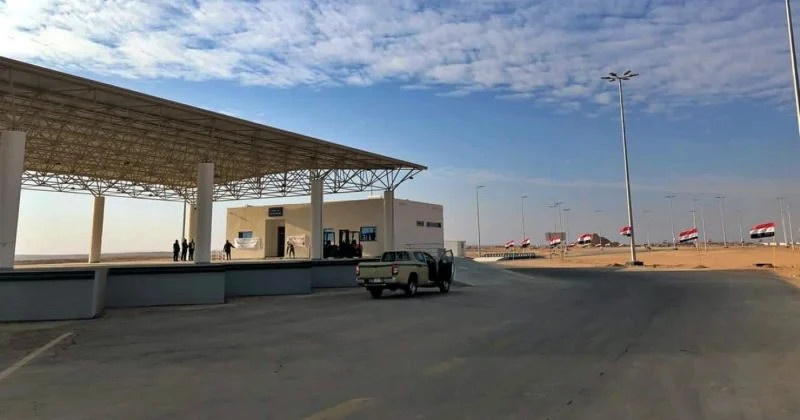
The logistical challenges posed by the 1,450 km border, which includes mountainous terrain and marshland, present significant hurdles for joint security operations. Each segment of the border presents unique smuggling and security threats, necessitating coordinated efforts between the two nations to address these issues effectively.