Israeli Airstrikes Target Turkish-Linked Sites in Syria Amid Rising Tensions
Israeli airstrikes on Syria's Abu al-Duhur airbase on August 18 have transformed a routine military operation into a significant geopolitical event. The strikes, which targeted Turkish-linked military infrastructure, were aimed at preventing Turkey from establishing a stronger military presence in Syria. Israeli officials indicated that the operation was also intended to disrupt the delivery of advanced Turkish weaponry to the site.
The airbase, located approximately 70 kilometers from the Turkish border, was struck eight times, damaging runways and military facilities. This operation marks a shift in Israel's focus from primarily targeting Iranian and Hezbollah assets to addressing the growing influence of Turkey in Syria. Turkish-Syrian military cooperation has been increasing, with Ankara providing military support to the Syrian government, which has raised alarms in Israel.
Israel's concerns center around the potential transformation of Turkish assistance from a reconstruction effort into a permanent military infrastructure that could alter the regional balance of power. The introduction of modern Turkish military systems, including drones and air-defense capabilities, poses a direct threat to Israel's operational freedom in Syrian airspace.
The escalation of tensions between Turkey and Israel is currently characterized by diplomatic and rhetorical confrontations. However, the situation has the potential to evolve into a proxy conflict, as both nations possess advanced military capabilities and differing visions for the region's future. The conflict in Syria is no longer just about Iranian influence; it has become a battleground for competing interests between Israel and Turkey.
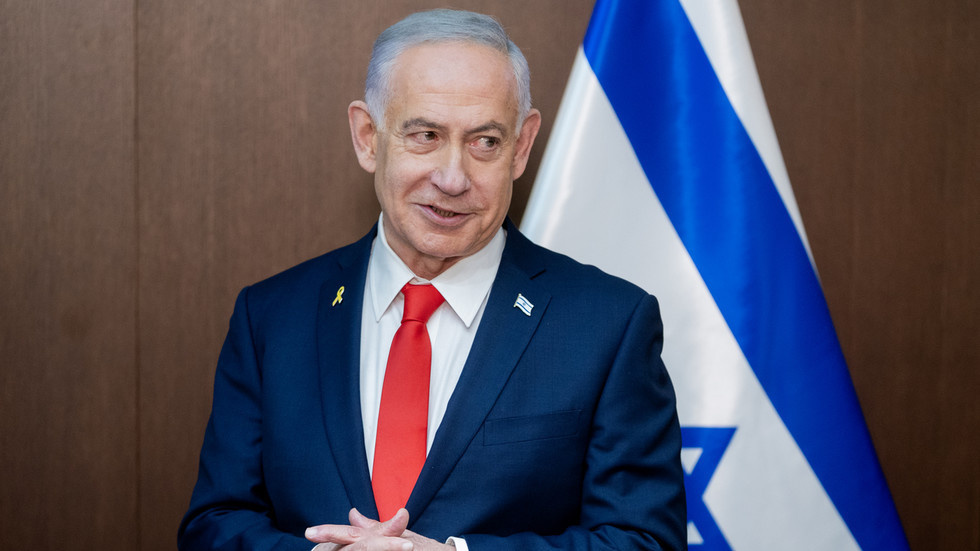
Israeli Prime Minister Benjamin Netanyahu has stated that Israel will not tolerate a Turkish military presence in Syria that threatens its security. In response, Turkey has accused Israel of pursuing destabilizing policies in the region. The U.S. has expressed concern over the situation, with officials advocating for mechanisms to prevent accidental confrontations between the two allies.
As both countries approach significant elections, their leaders are under pressure to demonstrate strength and resolve in the face of external threats. Netanyahu's political strategy appears to leverage the external conflict to bolster his domestic standing, while Turkish President Recep Tayyip Erdoğan seeks to consolidate his influence in the region amid economic challenges at home.
The recent airstrikes and the broader geopolitical context suggest that Syria may become a focal point for a proxy conflict between Israel and Turkey, with implications for regional stability and security. As both nations navigate their complex political landscapes, the potential for miscalculation remains high, raising the stakes for all parties involved.