German Authorities Investigate Russian Espionage After Weapons Cache Found
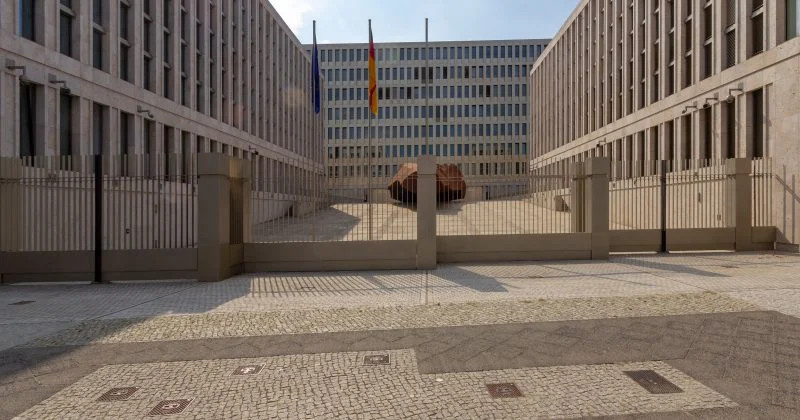
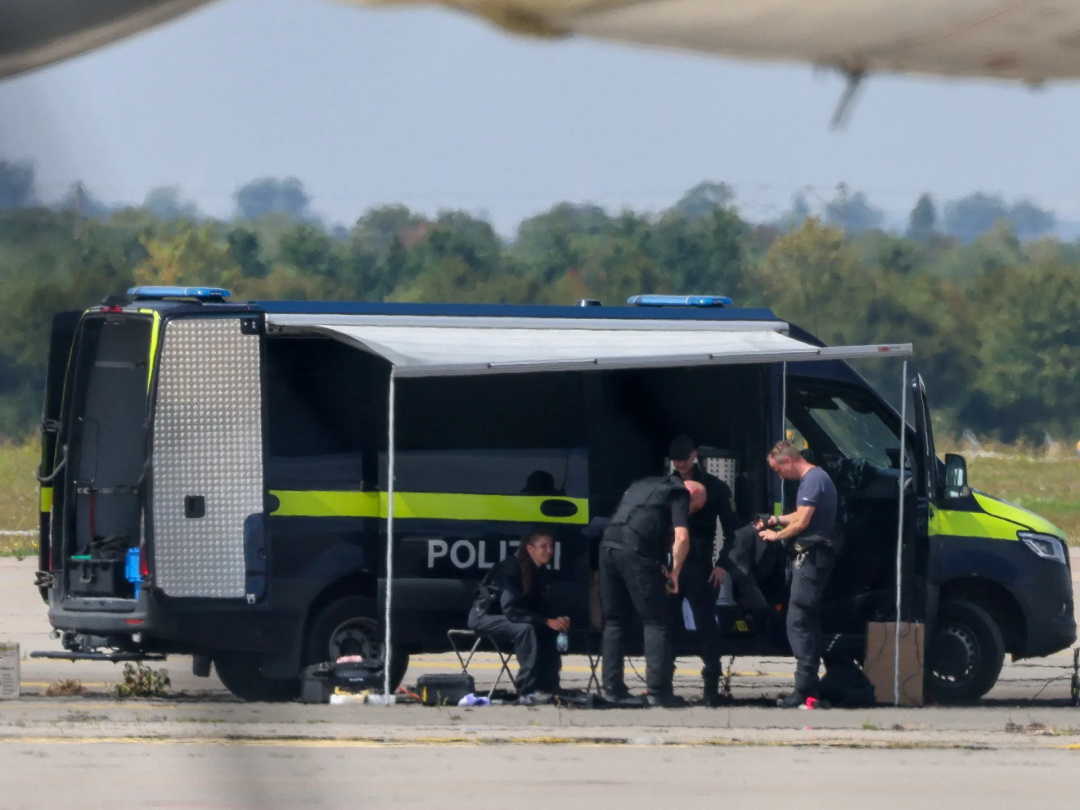
German security authorities have launched an investigation following the discovery of two operational handguns hidden in a forest near Berlin. This find has led to alarming conclusions regarding Russian intelligence services, which appear to be pre-positioning weapons on European soil for potential attacks. The Federal Office for the Protection of the Constitution (BfV) confirmed that the concealed site was likely established by Russian operatives, referred to in intelligence terms as a 'dead letterbox.' This setup allows agents to retrieve materials without direct contact with their handlers, with the intended use being for 'kinetic operations,' a euphemism for attacks or assassinations.
The weapons cache was located in a wooded area of Brandenburg, the state surrounding Berlin. Authorities received a tip about the site in late summer 2025, which prompted an extended surveillance operation. However, no arrests were made at the location during this monitoring period. The investigation has since expanded beyond Germany, with a man believed to be connected to the cache arrested in Romania, although the specifics of his involvement remain unclear. The German Federal Prosecutor’s Office is leading the case, underscoring the seriousness with which Berlin is treating this matter, as federal prosecutors typically handle sensitive national security and terrorism cases.
Initial reports about the discovery emerged from a joint investigation by public broadcasters NDR and WDR, along with the newspaper Süddeutsche Zeitung, on August 21, 2026. BfV officials provided limited confirmation to these outlets, and the Russian Embassy has not responded to requests for comment.
This incident is part of a broader context, as BfV President Sinan Selen has warned about the risks of Russian-directed assassinations in Europe, particularly targeting individuals in the defense sector, exiled political opposition figures, and supporters of Ukraine. These warnings align with a pattern observed by European security services, indicating that Russian intelligence operations have intensified since Moscow's full-scale invasion of Ukraine in February 2022. What began as cyber espionage and influence campaigns has escalated into physical sabotage and now, apparently, the staging of weapons for potential violent actions.
Germany's position in this landscape is particularly sensitive. As Europe’s largest economy and a key NATO member, it has become a significant military supporter of Ukraine, especially after initially hesitating on arms deliveries. Additionally, Berlin is home to a large Russian diaspora and an exiled opposition community, making it a focal point for Kremlin-linked surveillance and intimidation efforts.
The dead letterbox model, where weapons or materials are cached for retrieval by agents without official diplomatic presence, poses a greater challenge for detection and disruption compared to operatives working under diplomatic cover. The fact that German authorities received a tip suggests that human intelligence played a crucial role in this case. This is both encouraging, as it indicates someone with knowledge of the operation alerted authorities, and sobering, as without that tip, the weapons might still be hidden in the forest.
The political implications for Germany are significant. The country has been undergoing a gradual but meaningful shift in its defense and security posture since Chancellor Olaf Scholz declared a 'Zeitenwende,' or turning point, in February 2022. This shift includes increased defense spending and a tougher stance on Russia. Whether this case leads to charges, convictions, or a broader diplomatic confrontation with Moscow will depend on what investigators can substantiate regarding the chain of command behind the cache. Historically, Russia has denied involvement in such operations, and the lack of comment from the Russian Embassy aligns with this pattern.