The CIA's Unexpected Role in Apple's NeXT Venture
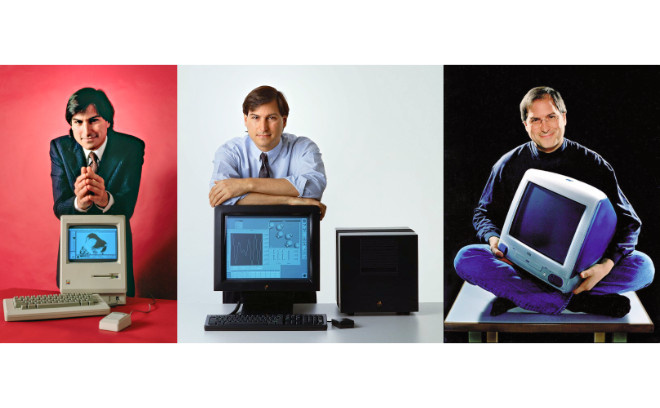
In the mid-1980s, Steve Jobs was navigating significant challenges with his company NeXT, which he founded after leaving Apple. During this period, the CIA unexpectedly stepped in to offer support, recognizing the potential of NeXT's advanced computing technology for its intelligence operations. At the height of the Cold War, the CIA was in search of sophisticated computing capabilities to enhance satellite reconnaissance and battlefield intelligence. This interest in NeXT's technology proved vital for the company's survival, ultimately leading to Apple's acquisition of NeXT in 1997, which brought Jobs back to the company and provided the foundation for modern Apple operating systems.
This intriguing chapter of technology history is detailed in Sharon Weinberger's upcoming book, "Valley of Death." In 1986, as President Ronald Reagan allocated substantial funds to the Pentagon for new technologies, including missile defense and spy satellites, some within the national security community recognized the importance of the computing revolution occurring in Silicon Valley. Joe Romello and Jeff Harris, working on a classified CIA initiative known as "Program B," believed that Jobs could provide essential technology for their intelligence needs.
Jobs was not entirely surprised by the CIA's interest. In addition to founding NeXT, he had recently acquired the computer graphics division of Lucasfilm, which had developed the Pixar Image Computer. This acquisition included technology that had been custom-built for intelligence analysts to evaluate satellite images.
The technology developed by NeXT, particularly its advanced Unix-based operating system, became the cornerstone of Apple's modern operating systems. After acquiring NeXT, Apple utilized this technology to create Mac OS X, which replaced the aging classic Mac OS. The core of this system, known as Darwin/XNU, along with the Cocoa frameworks, are direct descendants of NeXTSTEP.
Moreover, Apple adapted this shared foundation for its mobile platforms, with iOS and iPadOS utilizing the same Darwin/XNU kernel and core libraries. Other operating systems, such as watchOS, tvOS, and visionOS, are also built on this underlying architecture, illustrating the extensive influence of NeXT's technology on Apple's current software ecosystem.
This historical connection between Apple and the CIA underscores the often-overlooked role of government funding in the development of technology that has shaped the modern computing landscape. The full excerpt from Weinberger's book can be accessed through Apple News.