Cuba's Economic Crisis Masks National Security Threats Near Florida
The America First Policy Institute has released a report indicating that Cuba's strategic location has made it increasingly valuable to nations like Russia and China. Melissa Ford Maldonado, the report's author, warns that the intelligence activities and connections between Moscow and Havana present significant risks to the U.S. homeland.
The report, titled "The Dictatorship Next Door: Cuba and the Fight for the Western Hemisphere," argues that the U.S. has often viewed Cuba through the lens of human rights and economic issues, neglecting the national security threats posed by its relationships with adversarial nations. These partnerships, according to the report, facilitate intelligence collection, military cooperation, cyber operations, and political influence near U.S. borders.
Ford Maldonado stated, "Cuba is a massive national security threat to the U.S.," highlighting the regime's long-standing opposition to American interests. The report raises particular concerns about China's suspected intelligence facilities on the island. A recent analysis by the Center for Strategic and International Studies noted ongoing activity at Cuban sites capable of supporting signals intelligence collection, with several linked to China.
Ford Maldonado asserts that there is compelling evidence of Chinese intelligence operations in Cuba, suggesting that the country's geographic position is being exploited to monitor U.S. activities.
The relationship between Cuba and Russia is characterized as historically deep and increasingly cooperative, with Cuban nationals reportedly joining Russian forces in Ukraine. Estimates of the number of Cubans fighting alongside Russian troops vary, with a U.S. State Department cable suggesting between 1,000 and 5,000 individuals. Cuba has denied sending troops to Ukraine but has faced criticism for its alleged involvement.
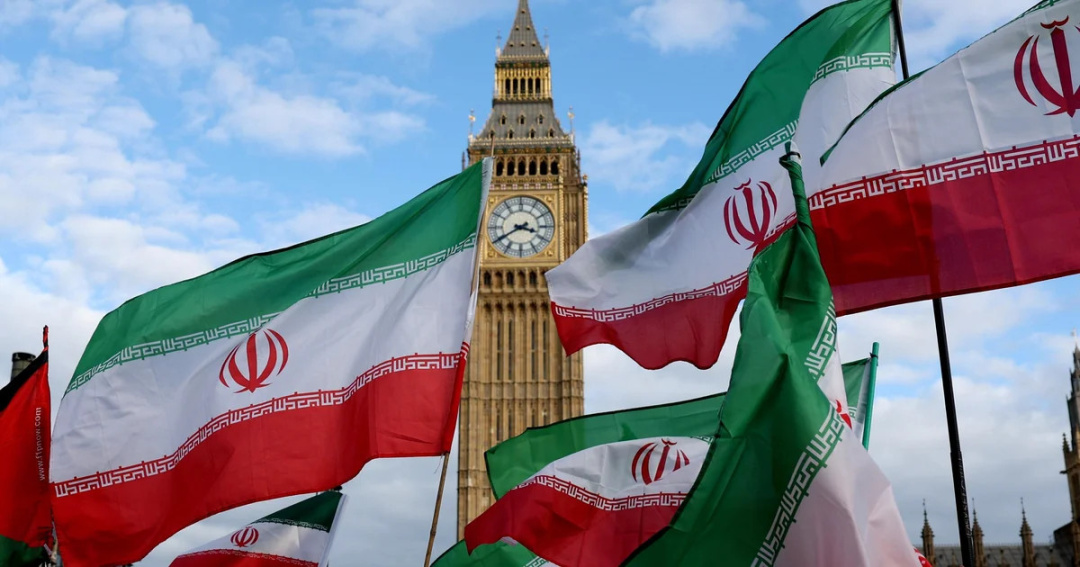
While the evidence regarding Iran's influence in Cuba is less concrete, Ford Maldonado believes that Iran uses Cuba primarily for influence operations. The Trump administration previously categorized Cuba's policies as a significant threat to U.S. national security, linking its alliances with Russia, China, and Iran.
The report calls for a stronger U.S. response to these threats, advocating for expanded access agreements and regional partnerships rather than new military bases. Ford Maldonado emphasizes that the goal is to enhance American capabilities in the region.
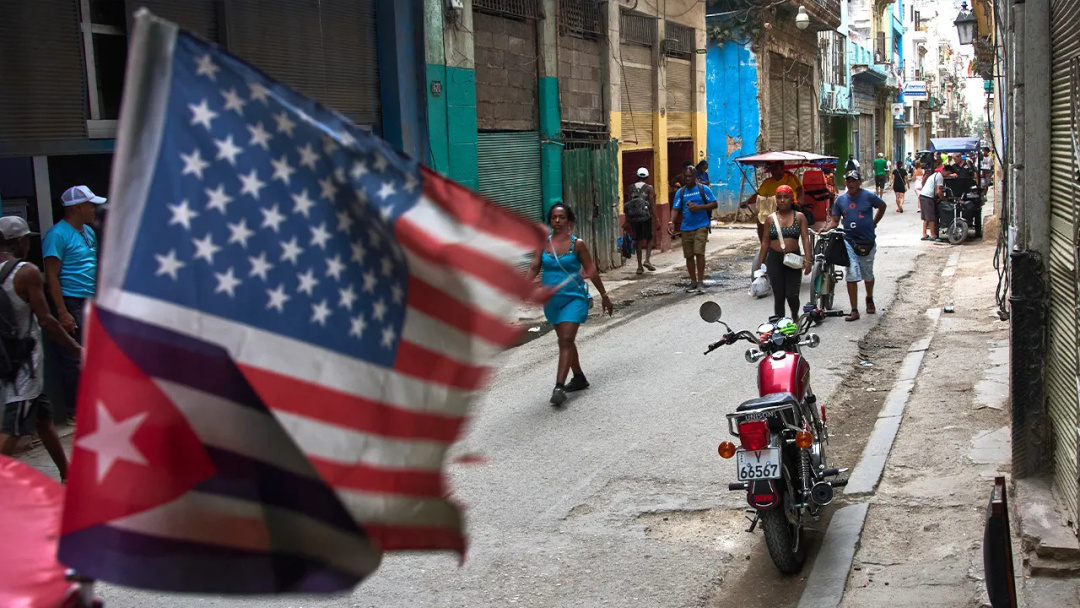
However, this call for increased pressure comes amid a severe humanitarian crisis in Cuba, with reports of extensive power outages and shortages of essential goods. Critics argue that further sanctions could exacerbate the suffering of ordinary Cubans. Ford Maldonado contends that the responsibility for the crisis lies with the Cuban regime, not U.S. policy.
As Cuba continues to face significant challenges, the implications of its international relationships remain a critical concern for U.S. national security.