U.S. Imposes Up to 100% Tariffs on Foreign Drones to Boost National Security
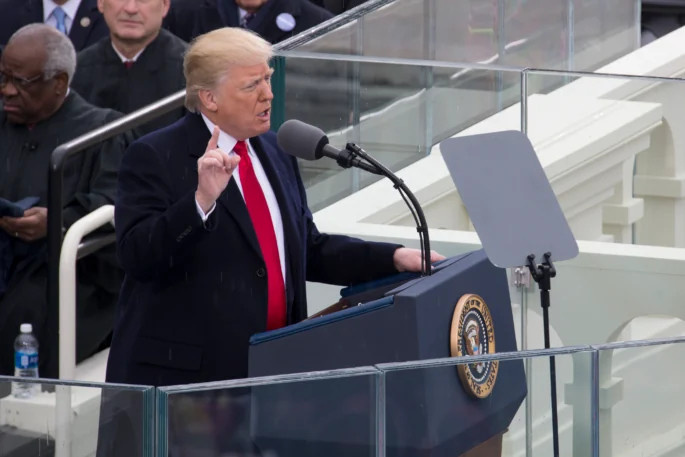
On August 13, 2026, President Donald Trump signed a proclamation that imposes tariffs of up to 100% on foreign-made drones and their components. This decision is part of a broader strategy to bolster the domestic drone industry and enhance national security. The tariffs specifically target drones deemed critical for national security, with China identified as a primary focus. For imports from Japan, the European Union, South Korea, and Taiwan, the tariffs will be set at 15%, providing some relief to these countries.
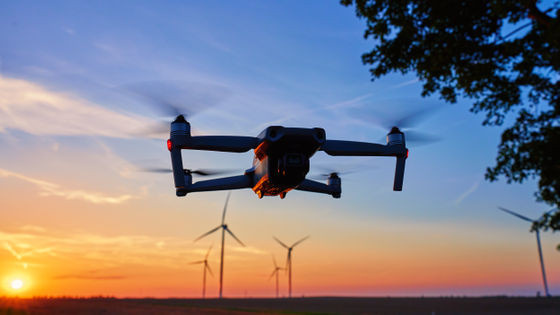
The proclamation outlines that drones exceeding a takeoff weight of 25 kilograms or equipped with thermal imaging capabilities will face the highest tariffs. Smaller drones that do not meet these criteria will incur a 25% tariff. The U.S. has already banned the import of foreign-made drones since December 2025, although it allowed the import of components for domestic assembly. This new tariff structure is expected to impact companies that rely on foreign parts for their drone manufacturing.
Experts in U.S.-China technology competition, such as Craig Singleton, suggest that American companies and government agencies will be compelled to switch to domestic or allied suppliers, even if it means higher costs. The tariffs are not only aimed at reducing reliance on Chinese technology but also at preventing money laundering within supply chains.
In conjunction with the tariffs, the Secretary of Commerce has been granted the authority to establish a Domestic Production Transition Program, which aims to encourage foreign companies to relocate their production facilities to the U.S. This initiative is designed to strengthen the domestic drone industry and create jobs for Americans. President Trump emphasized that this tariff program is essential for protecting U.S. national security and the defense industrial base, while also supporting and creating American jobs.