Trump Administration Announces Tariffs Up to 100% on Imported Drones
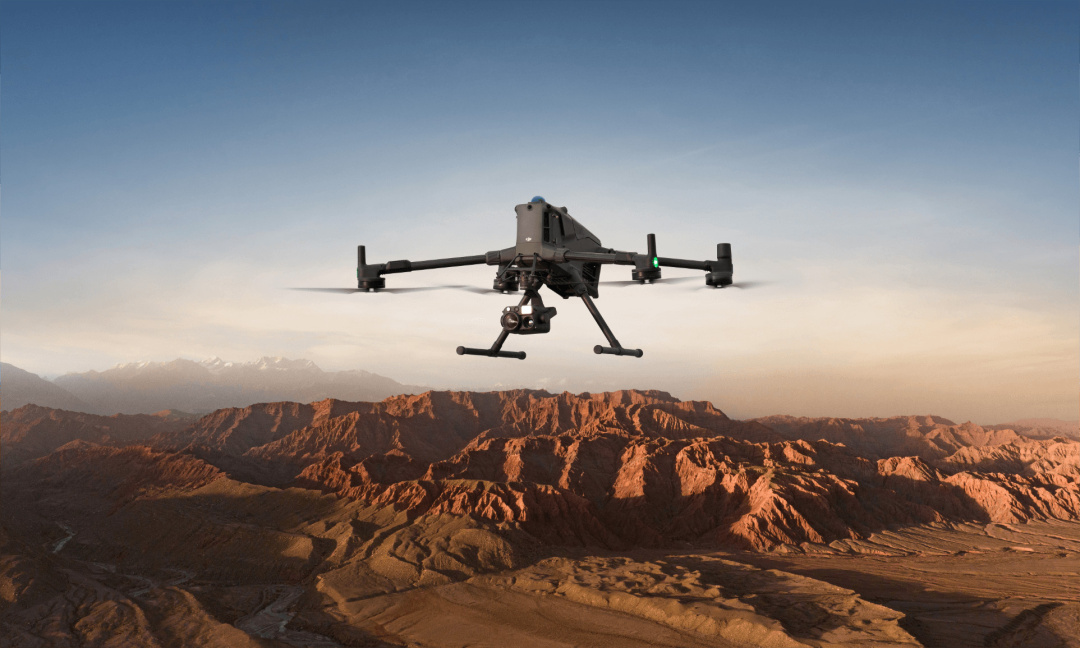
The Trump administration has taken significant action against foreign-made drones by announcing new tariffs that could reach as high as 100% on imported unmanned aircraft systems and specific drone components. This decision is primarily driven by national security concerns and the United States' growing dependence on foreign drone manufacturers.
The tariffs will add pressure to an already strained drone industry, which is facing stricter regulations from the Federal Communications Commission (FCC) targeting foreign-made drones. Consumers may also experience increased prices for drones and related equipment as a result of these tariffs.
Under the new regulations, certain drones and components will be subjected to a 100% ad valorem tariff. This includes drones weighing over 25 kilograms at maximum takeoff weight and those equipped with thermal imaging capabilities, among other sensitive technologies. Smaller drones that do not fall into these categories will incur a 25% tariff, potentially impacting consumer drones commonly used for photography and videography.
The tariffs are set to take effect in 21 days, with the initial implementation date in early September. However, some less-sensitive drone components will have a longer implementation period of 180 days.
The tariffs are not uniformly applied across all countries. Imports from the European Union, Japan, South Korea, Taiwan, Switzerland, and Liechtenstein will face a 15% tariff rate, while products from the United Kingdom will incur a 10% rate. This differential treatment could make drones manufactured in these regions more competitive in the U.S. market compared to those from countries facing the full tariff rates.
Manufacturers may also consider relocating more of their production or component manufacturing to the United States to mitigate the impact of these tariffs. The administration argues that this policy is intended to bolster domestic production and lessen reliance on foreign suppliers.
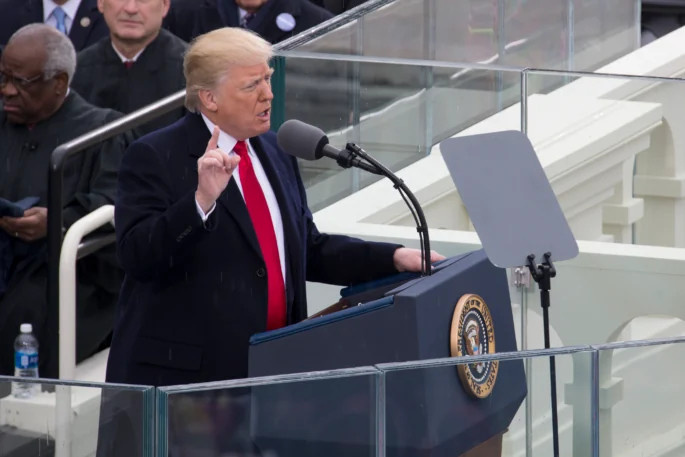
According to President Trump, an investigation led by Commerce Secretary Howard Lutnick revealed that the U.S. has become overly dependent on foreign sources for unmanned aircraft systems and their components. The administration believes that revitalizing domestic drone manufacturing will enhance U.S. national security and strengthen the defense industrial base.
This policy also aims to address concerns regarding companies circumventing existing restrictions by routing production through third countries. Craig Singleton from the Foundation for Defense of Democracies described the initiative as an effort to prevent "supply-chain laundering," where Chinese components could be funneled through other nations before entering the U.S.
For photographers and content creators, the 25% tariff on smaller drones is particularly significant. While this does not guarantee that every affected drone will see an immediate price increase of 25%, it does add another layer of cost pressure to an industry already grappling with supply-chain challenges and complex regulations surrounding foreign-made drones.
The impact could be even more pronounced for professional users whose drones utilize thermal imaging or other technologies subject to the 100% tariff. The new tariffs coincide with ongoing restrictions imposed by the U.S. government on DJI and other Chinese drone manufacturers.
In December 2025, the FCC added foreign-produced unmanned aircraft systems and critical components to its Covered List following a national security determination. This move prevents new covered equipment from receiving FCC authorization, although exemptions have been created for certain systems that have received specific U.S. government approval.
The FCC is also considering whether to prohibit the continued importation and marketing of some previously authorized covered equipment, establishing a process that allows for such restrictions without revoking the underlying authorization.
DJI has been contesting these restrictions and has formally requested the FCC to reconsider its inclusion on the Covered List. The company is currently involved in an FCC proceeding regarding its security assessment.
The combination of tariffs and regulatory restrictions is likely to significantly alter the U.S. drone market. Foreign manufacturers may need to rethink their production strategies to remain competitive, while American manufacturers could benefit from reduced competition from imported products.
However, consumers may face fewer choices and higher prices in the short term. The administration is banking on the long-term advantages of developing a domestic drone supply chain to outweigh these immediate costs.
As the tariffs are set to take effect in September, coupled with the FCC's ongoing restrictions, the U.S. drone market is expected to undergo considerable changes by the end of the year.