Trump Administration Authorizes U.S. Companies to Conduct Cyberattacks Abroad
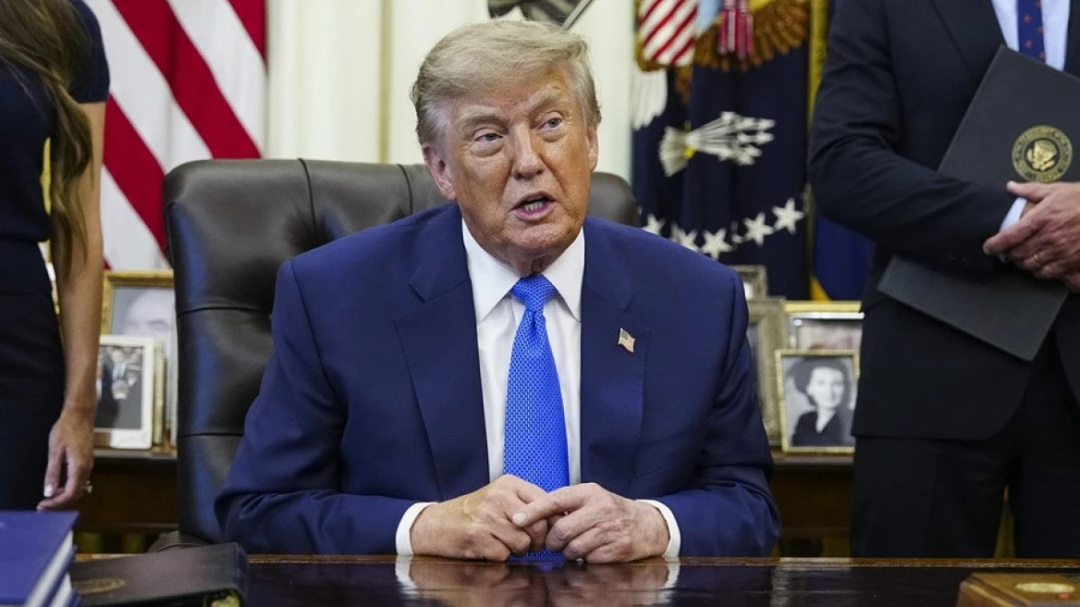
The Trump administration has taken a bold step by encouraging U.S. companies to conduct cyberattacks against hackers operating abroad. This initiative, outlined in a national security memorandum signed late Wednesday, aims to empower selected companies to collaborate with the Departments of Justice and Homeland Security in countering cyber threats such as ransomware. While the administration believes this approach will enhance national security, former officials and cybersecurity experts warn of potential chaos and unforeseen consequences.
Under the new policy, companies will be able to monitor criminal networks and execute cyberattacks designed to disrupt or destroy information systems and networks. This marks a significant departure from previous U.S. cybersecurity strategies, which focused on strengthening defenses rather than offensive operations. Historically, both Republican and Democratic administrations have reserved such actions for military and intelligence agencies.
The memorandum does not specify which companies will participate, but it establishes a vetting process and requires companies to sign contracts with the government. Violations of the terms could result in fines of up to $1 million. Notably, companies whose actions could lead to loss of life or serious injury are prohibited from participating.
Concerns have been raised regarding the risks of escalating cyber conflicts and the legal implications for businesses engaging in offensive operations. Experts emphasize the difficulty of accurately assessing the consequences of such actions, as well as the challenges in determining the true identity of cybercriminals. The policy aims to leverage the private sector's ingenuity to address the rising costs of cyberattacks, but it also raises questions about the potential for private companies to exceed their authority.
Amanda Naylor, director of cybersecurity policy at the National Security Council, stated that this new strategy provides the U.S. with additional tools to protect citizens from cybercrime. However, many in the cybersecurity community are skeptical about the feasibility of implementing this model effectively.
The classified annex accompanying the memorandum outlines procedures to ensure that private-sector cyberattacks do not interfere with government operations. Targets will primarily include transnational criminal organizations, unless there is evidence linking them to foreign governments.
The policy has drawn comparisons to the practices of adversaries like China and Russia, where state agencies have long utilized private hackers for national security purposes. While U.S. defense technology companies have collaborated with intelligence agencies, this new directive represents a shift towards direct involvement of private firms in offensive cyber operations.
Legal experts caution that companies may face significant risks in participating in government-directed cyberattacks, particularly regarding public disclosure and operational liabilities. The success of this initiative will largely depend on the classified processes for selecting companies and approving targets, as well as the ability to navigate the complex landscape of modern cyber warfare.