Taiwan's Chang An-lo Advocates for Reunification Amid Government Scrutiny
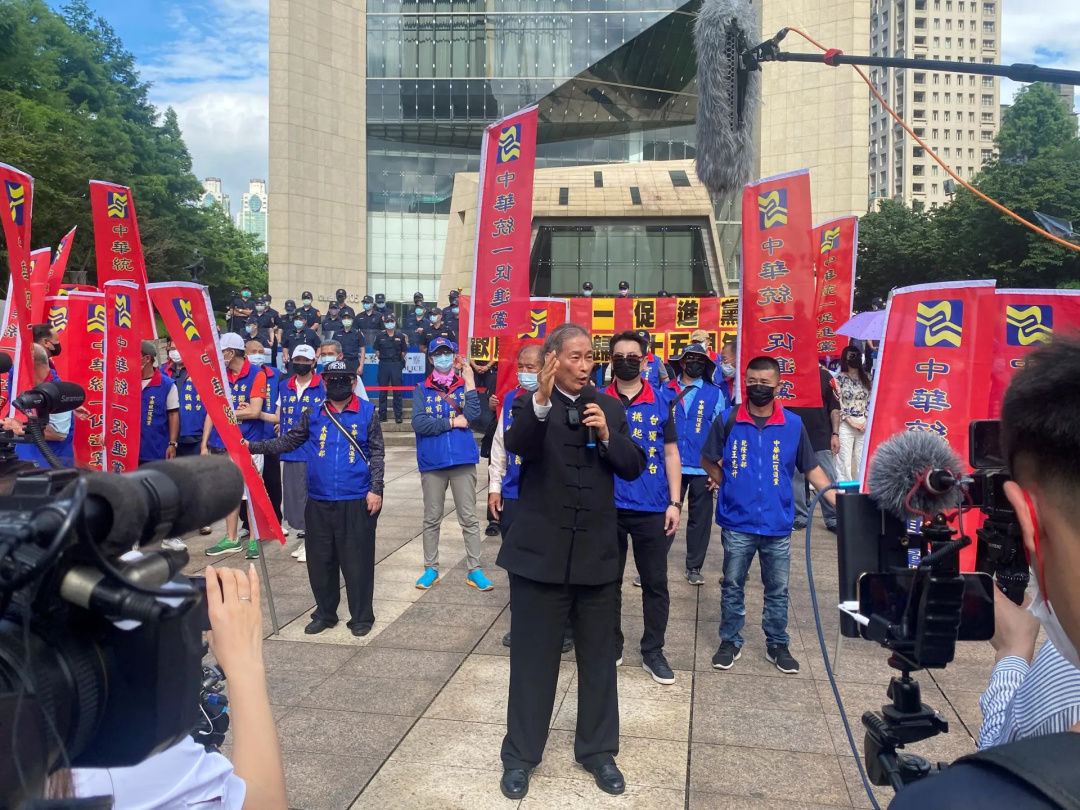
In Taiwan, Chang An-lo, widely recognized as the 'White Wolf,' is on a mission he describes as one of peace, despite his controversial associations with organized crime and allegations of election interference. As the founder of the Chinese Unification Promotion Party (CUPP), Chang advocates for Taiwan's reunification with China, a stance that remains unpopular among many Taiwanese citizens. Taiwan has operated as a separate entity from China for over a century, and public opinion polls indicate a strong desire among the populace to maintain the island's de facto independence.
Chang has criticized Taiwanese President William Lai Ching-te, accusing him of provoking conflict with Beijing through his independence agenda. He argues that avoiding a push for independence could prevent war, stating, "If you don’t pursue Taiwan independence, there won’t be a war. But if you push for independence, sell Taiwan out, and provoke a conflict – we will rise up on the front lines. We refuse to be cannon fodder."
The CUPP's activities have drawn the ire of Taiwan's Ministry of the Interior, which has labeled the party a threat to the Republic of China's constitutional order. Recently, the ministry filed a request with the Taiwan Constitutional Court to dissolve the CUPP, citing allegations of accepting directives from Beijing, engaging in grassroots influence operations, and using Chinese funding to interfere in elections. Since its inception, numerous CUPP members have faced investigations for violations of national security laws.
Chang defends his party, claiming that its crime rate is lower than that of Taiwanese society at large and asserting that any member involved in criminal activities would be expelled. He has also expressed support for China's United Front Work Department, which oversees political influence operations. Chang's party currently holds no seats in Taiwan's national legislature, with its only elected officials being local neighborhood wardens.
In addition to his political activities, Chang has positioned himself as a community figure, assisting families of individuals believed to be victims of human trafficking and helping residents negotiate debts with loan sharks. However, his claims remain unverified by independent sources.
The CUPP's connections to organized crime have raised further concerns, with multiple members investigated for ties to the Bamboo Union, a notorious criminal syndicate. Chang himself has a history of criminal activity, including a decade-long prison sentence in the United States for drug trafficking.
Despite the Taiwanese government's efforts to dissolve the CUPP, experts suggest that such actions may be largely symbolic. Political scientists note that Chinese influence operations in Taiwan are likely to persist, regardless of the party's status. Chang believes that dialogue is essential for peaceful reunification, referencing historical proposals from China that could allow for negotiations on various aspects of governance.
In Chang's view, both Taiwan and China represent a singular Chinese identity, stating, "Both sides represent China, and we are all Chinese." His controversial stance continues to stir debate within Taiwan as the government grapples with the implications of foreign influence and national security.