Proposed Tariffs on Brass Instruments Raise Concerns Among Musicians

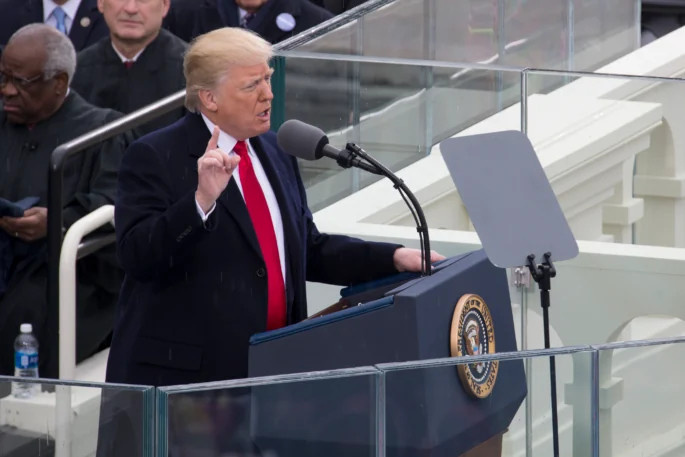
The Trump administration's recent proposal to declare brass instruments such as trumpets, tubas, and trombones as national security threats has raised eyebrows among musicians and industry experts. The notice from the Commerce Department's Bureau of Industry and Security indicates a desire to add "brass-wind musical instruments and their parts and accessories" to a list of imports subject to Section 232 national security tariffs. This move is justified by the administration's claim that reliance on imported metals for instrument manufacturing could diminish the demand for American-made materials, potentially leading to a shortage of critical supplies during a national emergency.
If the proposal is approved, imported brass instruments and their components could face a hefty tariff of 25%. John Mlynczak, president and CEO of the National Association of Music Merchants, has publicly criticized the notion, stating that there is no national security risk associated with musical instruments. He emphasized that music-making has historically been a unifying cultural activity.
Bryan Riley, director of the free trade initiative at the National Taxpayers Union Foundation, echoed these sentiments, questioning the rationale behind labeling trumpets as a threat to U.S. security. He humorously speculated whether the Pentagon fears that adversaries might use these instruments in warfare.
The proposed tariffs could pose a significant financial burden on musicians, merchants, and manufacturers. A study from the Peterson Institute for International Economics indicated that tariffs imposed under the International Emergency Economic Powers Act led to a 27% decline in wind instrument imports. While high-end instrument sales may remain stable, the entry-level market for aspiring musicians is likely to suffer.
Musicians like Ed Croft, a saxophonist and leader of the Hep-Tights, a San Diego-based R&B group, are already feeling the impact of the proposed tariffs. Croft noted that the tariffs would likely increase the prices of new saxophones, which are predominantly manufactured overseas. He pointed out that while some brass instruments are still produced in the U.S., many musicians rely on imported options.
Croft also shared his personal strategy for navigating the rising costs, stating that he has always opted for used instruments, which can be refurbished to perform like new. He advised those in need of new instruments to consider waiting until the tariff situation is resolved, as the current proposals could lead to inflated prices across the board.