GOP Intensifies Anti-Muslim Campaign Against Senate Candidate Abdul El-Sayed
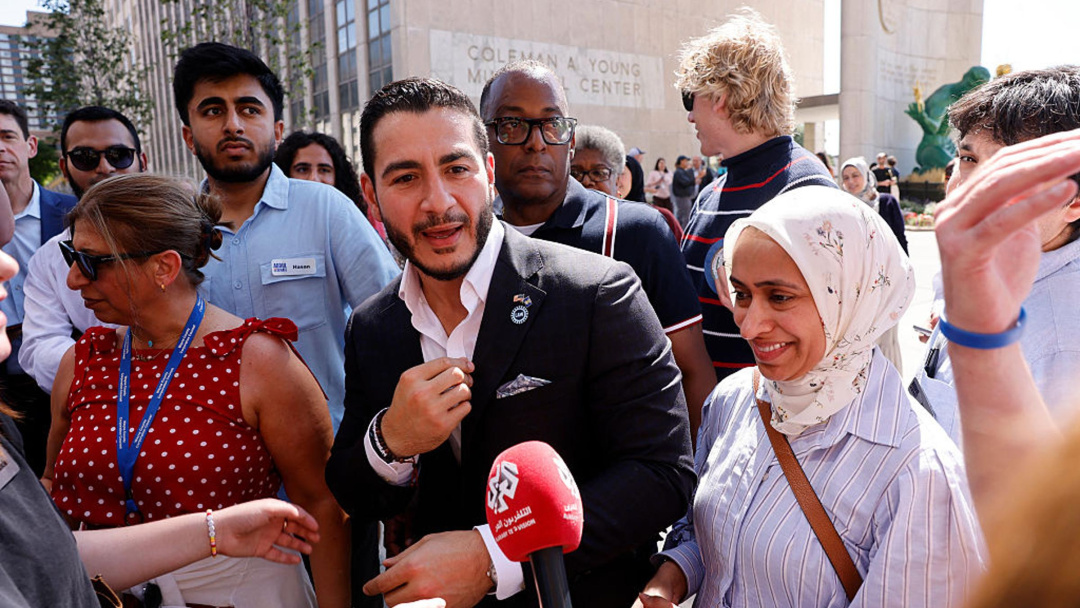
Abdul El-Sayed, who recently won the Democratic primary for the U.S. Senate in Michigan, is facing an intensified campaign from Republicans that seeks to exploit his Muslim identity. Following a pattern seen in previous elections, the GOP is attempting to position El-Sayed as a representative of everything their base fears. This strategy is reminiscent of the attacks on James Talarico, a Democratic candidate in Texas, but with a more pronounced focus on El-Sayed's religion.
The campaign against El-Sayed has garnered support from various factions, including some Jewish voters who are concerned about his criticisms of Israel and his association with activist Hasan Piker, who has faced accusations of anti-Semitism. Michigan's Attorney General, Dana Nessel, has expressed her apprehension about attending party events due to safety concerns, highlighting the charged atmosphere surrounding El-Sayed's candidacy.
Republican figures have openly labeled El-Sayed as a threat, with Rep. Nancy Mace asserting that all Muslim public officials pose a danger to national security. Influencers within the MAGA movement have echoed these sentiments, further fueling the narrative that El-Sayed's religion makes him a target for fear-based campaigning.
This approach, however, may backfire. Historical trends show that fear of 'the other' diminishes as people become more familiar with them. El-Sayed's campaign is actively working to humanize him, featuring ads where his grandparents share his story, aiming to counteract the negative portrayals.
The GOP's strategy of fear-mongering has its limitations, as seen in the experiences of other politicians like Barack Obama and New York Mayor Zorhan Mamdani, who faced similar attacks but ultimately gained public favor through visibility and communication. As El-Sayed navigates the final months of his campaign, he must contend not only with the political landscape but also with the unfair targeting of his background and faith, a challenge that often does not confront his white male counterparts in politics.