Northwest DSS Directors Push for Better Intelligence Sharing Against Threats
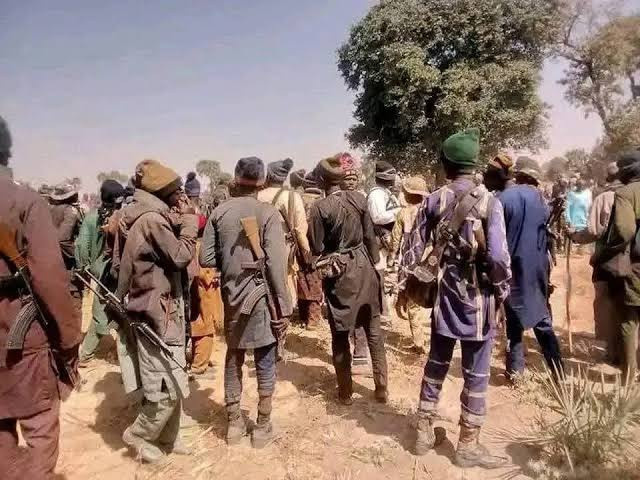
Directors of the Department of State Services (DSS) in the Northwest have called for enhanced intelligence sharing and operational synergy to effectively combat terrorism, banditry, and other security threats in the region. This appeal was made during the Northwest Conference of State Directors of Security, which took place in Katsina under the theme "Unite Against Terror."
Alhaji Alhassan Iliyasu, the Katsina State Director of Security, highlighted that the conference served as a platform for intelligence-led agencies to assess emerging security challenges and devise coordinated strategies to address them. He noted that the discussions would lead to a communiqué that would outline actionable steps for security agencies in the region.
Iliyasu emphasized that the fight against terrorism necessitates the involvement of all stakeholders, including security agencies, communities, and vigilante groups. He praised the existing collaboration among security agencies in Katsina, stating that this synergy has significantly improved the security situation in the state.
The conference's theme, according to Brig.-Gen. Ishaya Ibrahim, Commander of the 17 Brigade, is timely. He stressed that cooperation among security agencies is essential in tackling evolving and borderless threats. While military capabilities are important, he asserted that actionable intelligence is critical for effective counter-terrorism operations.
Ibrahim commended the DSS for its human intelligence, surveillance, and community networks, which provide vital information for military responses. He urged security agencies to address gaps in information sharing and coordination to enhance their effectiveness.
Katsina State Governor Dikko Radda, represented by Deputy Governor Faruk Lawal-Jobe, acknowledged the relevance of the conference theme to the security challenges faced in the Northwest. He noted that the interconnected nature of these challenges requires a unified strategy and ongoing collaboration among security agencies.
Radda mentioned that Katsina has seen improvements in security through a mix of kinetic and non-kinetic approaches, including government support for security agencies and initiatives aimed at improving the socio-economic conditions of communities affected by banditry. He highlighted the provision of free medical services to victims of bandit attacks and support for agricultural development as part of the state's efforts to combat insecurity.