Trump Authorizes Offensive Cyber Operations Against Transnational Criminals
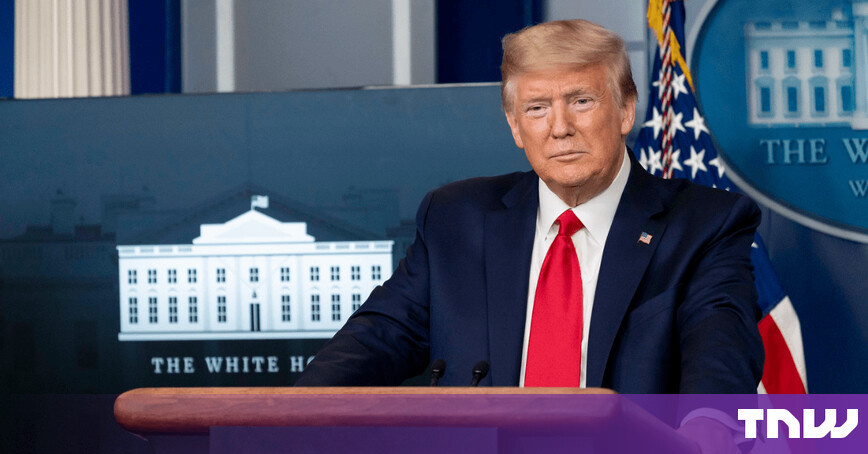
President Donald Trump has signed a National Security Presidential Memorandum that authorizes US federal law enforcement to engage in offensive cyber operations targeting transnational criminal organizations operating abroad. This memorandum represents a significant shift in policy, allowing the government to take proactive measures against cybercriminals who pose threats to American citizens.
The memorandum specifically addresses foreign criminal groups involved in activities such as ransomware, phishing, financial fraud, and sextortion, as well as AI-assisted impersonation scams that have surged in recent years. The goal is to disrupt these operations at their source, rather than waiting for the consequences to reach the United States.
The White House has highlighted alarming statistics, including an estimated $20.8 billion in reported cybercrime losses for 2025, with 73% of US adults having experienced online scams. Furthermore, the memorandum notes that one in seven young victims of sextortion has reported self-harm, underscoring the human cost of these criminal networks.
To implement this program, a new National Coordination Center will be established under a Homeland Security Task Force, co-directed by the Department of Justice and the Department of Homeland Security. This center will oversee operations and ensure compliance with constitutional and international law.
A notable aspect of the memorandum is its directive for the coordination center to leverage private sector capabilities to assist in these operations. This raises concerns about the involvement of private firms in government-led cyber offensives, a move that could blur the lines of accountability and oversight.
Critics worry about the potential for escalation, as criminal organizations often share infrastructure with legitimate services. Disrupting one could inadvertently affect the other. Additionally, the challenges of attribution in cyber operations complicate accountability, as missteps could lead to significant diplomatic fallout.
The memorandum emphasizes the need for rigorous procedures to ensure compliance with legal standards, but the real test will come when operations do not go as planned. The effectiveness of this new approach remains to be seen, especially as traditional law enforcement struggles to keep pace with the evolving landscape of cybercrime.