Russian Espionage in Japan: Aeroflot Employee Conducts Intelligence Operations
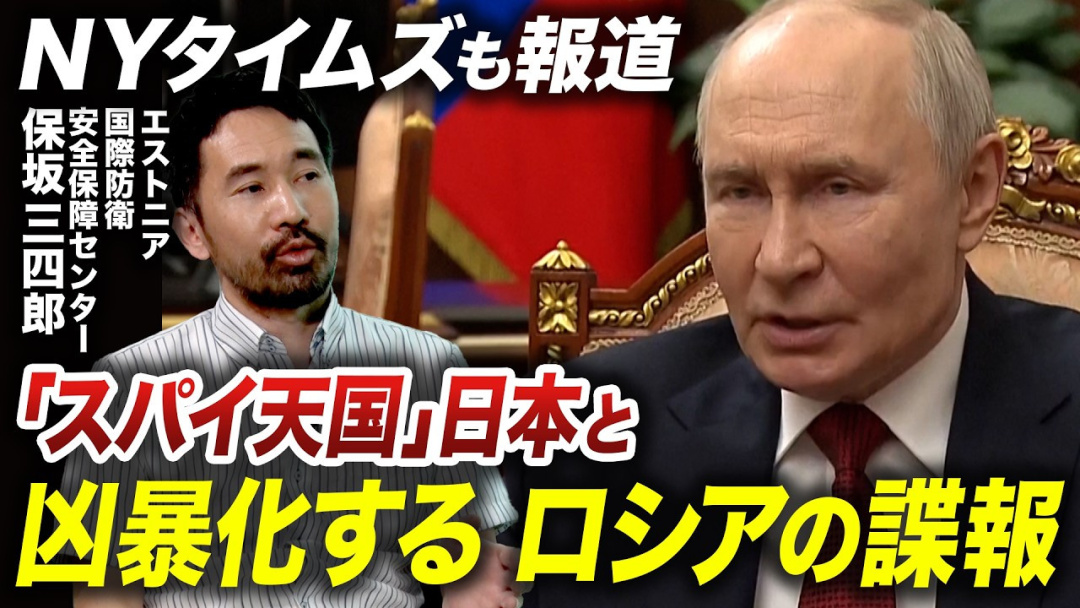
Reports have emerged regarding a man who posed as an employee of the Russian airline Aeroflot while conducting intelligence operations in Tokyo. This incident has reignited discussions about Russian espionage in Japan, a country that former Soviet intelligence officers have described as particularly vulnerable due to its legal and counterintelligence weaknesses. Sanshiro Hosaka, a researcher at the International Centre for Defence and Security in Estonia, noted that Russian espionage activities in Japan date back to the Soviet era and are not surprising given the circumstances.
The individual in question reportedly gathered Japanese technology and equipment that could potentially be repurposed for military use in Russia's ongoing conflict with Ukraine. Hosaka pointed out that Japanese products have already been found in Russia through third-party countries, emphasizing the need for stricter controls on technology exports from Japan.
Former Soviet intelligence officers have labeled Japan a "spy paradise," citing the relative ease with which intelligence personnel can operate there. Hosaka attributes this reputation to the slow development of Japan's security institutions post-World War II. While Japan established the Self-Defense Forces, its intelligence and counterintelligence capabilities have lagged behind, particularly due to the lack of a comprehensive legal framework specifically targeting espionage.
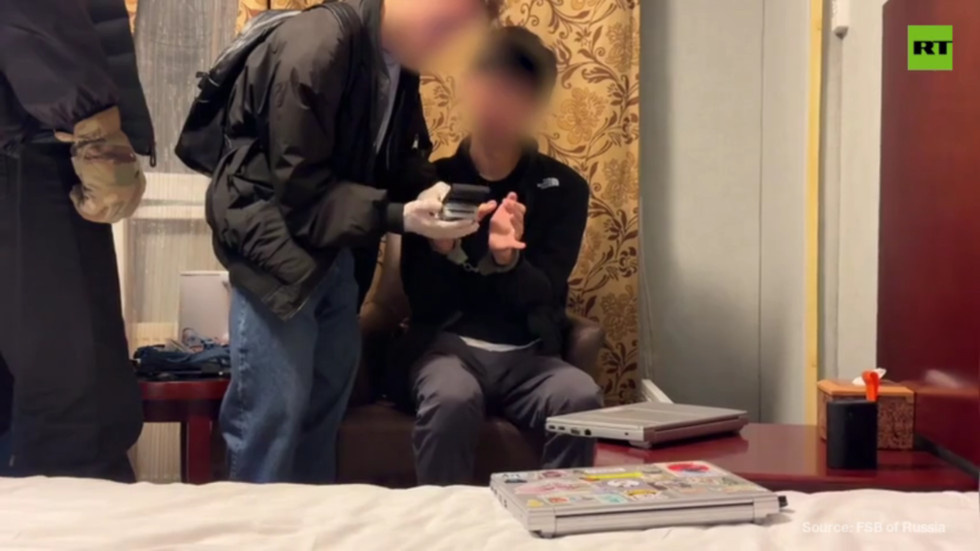
Russian intelligence officers are briefed on Japan's laws and enforcement environment before deployment, allowing them to navigate the limits of Japanese authorities effectively. The modern Russian intelligence apparatus, which evolved from the Soviet KGB, includes the Federal Security Service (FSB) and the Foreign Intelligence Service (SVR). The FSB focuses on domestic security and counterintelligence, while the SVR is dedicated to foreign intelligence operations. The individual using the Aeroflot cover in Japan has been identified as a GRU intelligence officer.
Despite competition among Russia's intelligence agencies, they can cooperate under the direction of President Vladimir Putin, who can assign specific issues to particular organizations. Powerful figures within the intelligence community, such as Igor Sechin, head of the state-controlled oil company Rosneft, also influence operations.
Russian intelligence personnel employ various methods of cover. The traditional approach involves diplomatic cover, where intelligence officers work under official titles at embassies or trade missions. However, this method can lead to increased scrutiny from host-country counterintelligence agencies. As a result, there is an incentive to recruit local citizens who can gather information without attracting attention.
At the other end of the spectrum are "illegals," operatives who assume identities from third countries, making them harder to identify as Russian intelligence agents. These operatives can live in target countries for extended periods while conducting clandestine operations. Hosaka noted that the balance between diplomatic-cover officers, illegals, and other operatives depends on the counterintelligence capabilities of the target country and its diplomatic relations with Russia.
This balance shifted significantly after Russia's full-scale invasion of Ukraine in 2022, which led to the expulsion of around 700 Russian diplomats from Europe and North America, many of whom were suspected of intelligence activities. Japan also expelled several Russian diplomats in response. With fewer officers able to operate under diplomatic status, Russia has increasingly relied on alternative methods for intelligence work.
One strategy involves activating sleeper agents who have lived quietly in target countries for years. These operatives become particularly valuable when diplomatic relations deteriorate or when tensions escalate. Detecting such operatives can be challenging, as their identities may be based on genuine records rather than entirely fabricated ones. This technique, which dates back to the Cold War, allows intelligence personnel to create backgrounds that withstand scrutiny, complicating efforts to uncover their true affiliations without extensive counterintelligence investigations.