Iran's Rezaei States Strait of Hormuz Will Remain Closed Until U.S. Complies
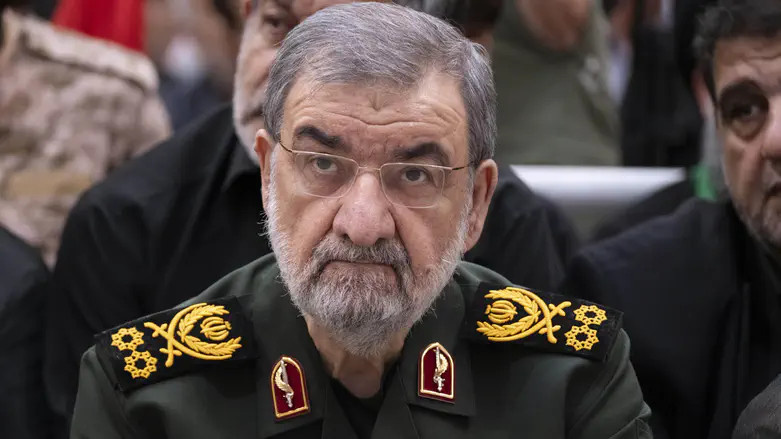
Mohsen Rezaei, the newly appointed Secretary of Iran's Supreme National Security Council, declared that the Strait of Hormuz will not reopen until the United States meets specific demands from Tehran. According to Rezaei, the U.S. must change its behavior, end the ongoing war, and release Iran's blocked financial assets. He stressed that the cessation of hostilities must extend throughout the region, including areas like Lebanon and Gaza, and that these conditions have been communicated through intermediaries.
Rezaei clarified that any bilateral agreements regarding shipping routes in the Strait of Hormuz would not equate to lifting the overall closure of the strait. He stated, "If an agreement is reached between Iran and Oman regarding the passage route in the Strait of Hormuz, this agreement will be separate from the issue of closing the Strait of Hormuz."
Rezaei, who was appointed to his position on Sunday, has a long history in Iranian military and political affairs, having previously served as the Commander-in-Chief of the Islamic Revolutionary Guard Corps (IRGC) from 1981 to 1997. His tenure coincided with the Iran-Iraq War, and he has since held various influential roles in the Iranian government.
Known for his hardline stance against the United States, Rezaei warned that ongoing American airstrikes could push Iranian forces into a more aggressive posture. He indicated that the dual approach of pursuing both war and negotiation is no longer feasible. Furthermore, he cautioned that continued U.S. military actions could lead Iranian forces to expand their operations beyond mere retaliation, potentially jeopardizing the safety of U.S. personnel and bases.
Rezaei has expressed skepticism about diplomatic efforts, alleging that the U.S. aims to sabotage negotiations. He accused Washington of attempting to pass its warships through the Strait of Hormuz while undermining agreements.
His statements come amid heightened tensions over the strategic waterway, which Iran fully closed following U.S.-Israeli military actions on February 28. In response, the U.S. imposed a naval blockade against Iran. Although both nations had signed a temporary 60-day memorandum in June to pause the blockade in exchange for unhindered merchant shipping, the U.S. reinstated the embargo last month due to renewed military conflicts and attacks on commercial vessels in the region.
When asked about the potential for escalation in negotiations with Iran, U.S. President Donald Trump suggested that significant actions could be taken if necessary, indicating that the situation remains fluid and potentially volatile.