Sergei Korolev: The Hidden Architect of the Soviet Space Program
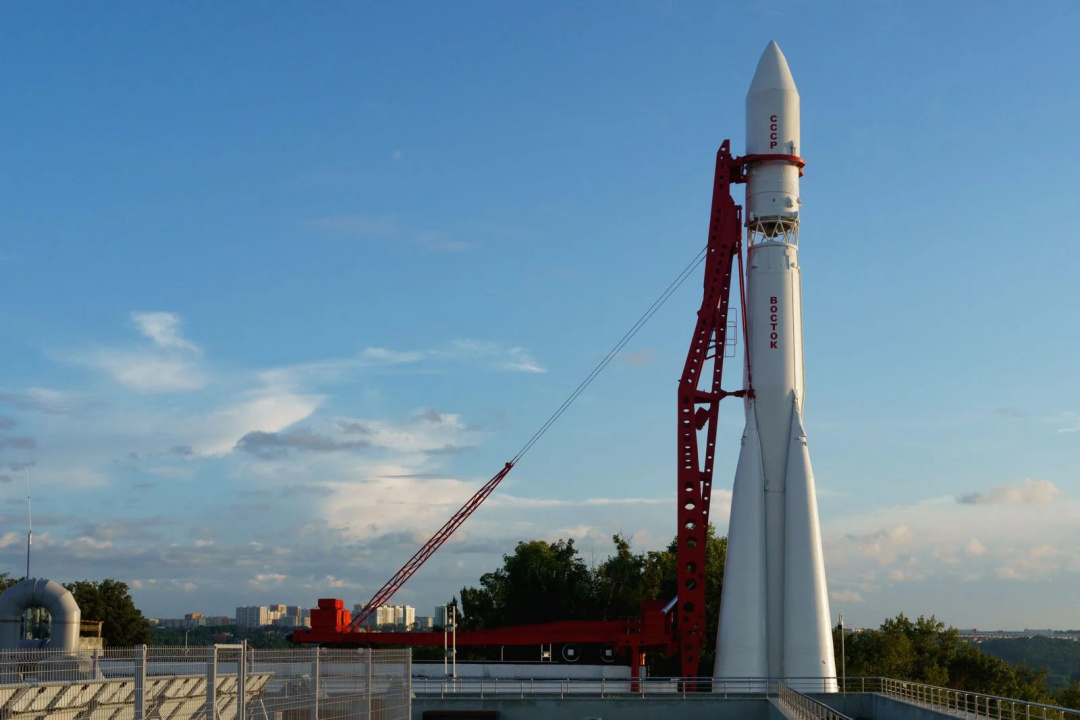
On January 14, 1966, Sergei Pavlovich Korolev, a pivotal figure in the Soviet space program, died during a routine surgery in Moscow. His passing marked the first time the world learned his name, as Soviet media had referred to him solely as the Chief Designer for over a decade. This anonymity was a deliberate state policy aimed at protecting him from potential threats, particularly from the CIA, which had been monitoring Soviet advancements in space technology.
Korolev was instrumental in launching the first artificial satellite, Sputnik, and sending Yuri Gagarin into orbit, achievements that positioned the Soviet Union ahead in the space race. Despite his monumental contributions, he remained a shadowy figure, known only by his title, while his American counterpart, Wernher von Braun, enjoyed public recognition.
Historian Asif Siddiqi notes that Soviet newspapers in the early 1960s never published Korolev's name, maintaining a strict policy of anonymity. This practice was underscored by the belief that a named Chief Designer would be a target for foreign intelligence agencies. The secrecy surrounding Korolev extended to scientific publications and even Nobel Prize nominations, which were met with vague responses from Soviet leadership.
Korolev's life was marked by significant challenges, including imprisonment during Stalin's purges, where he endured harsh conditions in labor camps. After his rehabilitation in 1957, he led the Soviet space program, achieving a series of historic milestones in less than a decade. His work included the first human spaceflight, the first woman in space, and the first spacewalk.
Despite his achievements, Korolev's health deteriorated, and he underwent surgery for what was thought to be a benign polyp. Unfortunately, the procedure revealed a malignant tumor, leading to his untimely death. The obituary published by Pravda two days later finally acknowledged him by name, alongside his photograph, marking a significant moment in Soviet history.
Korolev's legacy is profound; he is buried in the Kremlin Wall Necropolis, and his contributions continue to influence space exploration today. The R-7 rocket family, which he developed, remains in use, demonstrating the lasting impact of his work. His story serves as a reminder of the complexities of recognition and anonymity in the context of Cold War politics and technological rivalry.