IAEA to Extract Nuclear Materials from Secret Syrian Site After US Deal
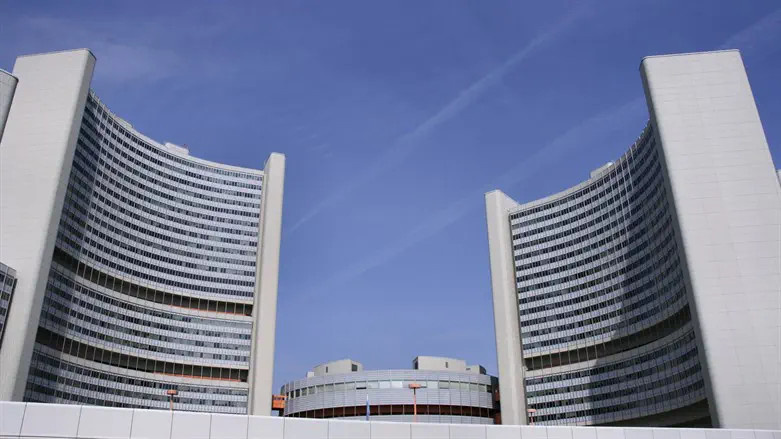
The International Atomic Energy Agency (IAEA) is preparing to extract radioactive substances from a secret facility in Syria, known as 'Site 99', as part of a diplomatic agreement brokered by the United States. This initiative follows high-stakes negotiations involving the Trump administration, Syrian leadership, and Israeli officials, aimed at averting military tensions in the region.
The site has been linked to Syria's covert nuclear ambitions, particularly its past atomic project centered around the Al-Kibar reactor, which was destroyed by an Israeli airstrike in 2007. Despite the reactor's destruction, remnants of research and development infrastructure remained, prompting ongoing concerns about nuclear materials in the country.
In recent years, Israeli intelligence has closely monitored 'Site 99', where it is believed that the Assad regime stored radioactive materials associated with the Al-Kibar project. Reports indicate that the stockpile includes yellowcake, a uranium ore that can be processed for nuclear fuel, alongside other residual materials. While these materials are not directly weaponizable into a nuclear warhead, experts have raised alarms about the potential for them to be used in a dirty bomb, which could disperse radioactive material over a wide area.
Following the fall of the Assad regime, the IAEA established a formal arrangement with the new Syrian leadership, granting inspectors access to Al-Kibar and related sites. In light of recent activity detected near 'Site 99', Israeli officials expressed concerns that Syria might be attempting to retrieve the stored materials, leading to heightened tensions.
To address these concerns, American and Israeli national security teams have collaborated for over a year to devise a strategy for managing the situation at 'Site 99'. Israeli officials communicated their firm stance to the US, emphasizing that they would not accept the presence of nuclear materials within Syria. They even indicated a willingness to conduct further airstrikes if necessary.
Ultimately, US and Israeli strategists concluded that securing cooperation from Damascus was the most effective means of ensuring the safe removal of the materials. When US diplomats approached Syrian officials, they were informed that the new government was unaware of the existence of nuclear stockpiles at the site.
The diplomatic efforts culminated in a signed agreement between the IAEA and the Syrian government, allowing for the safe extraction of the materials. This development marks a significant step in addressing nuclear proliferation concerns in the region, with representatives from the White House, the IAEA, and the Israeli Prime Minister's Office involved in the negotiations.