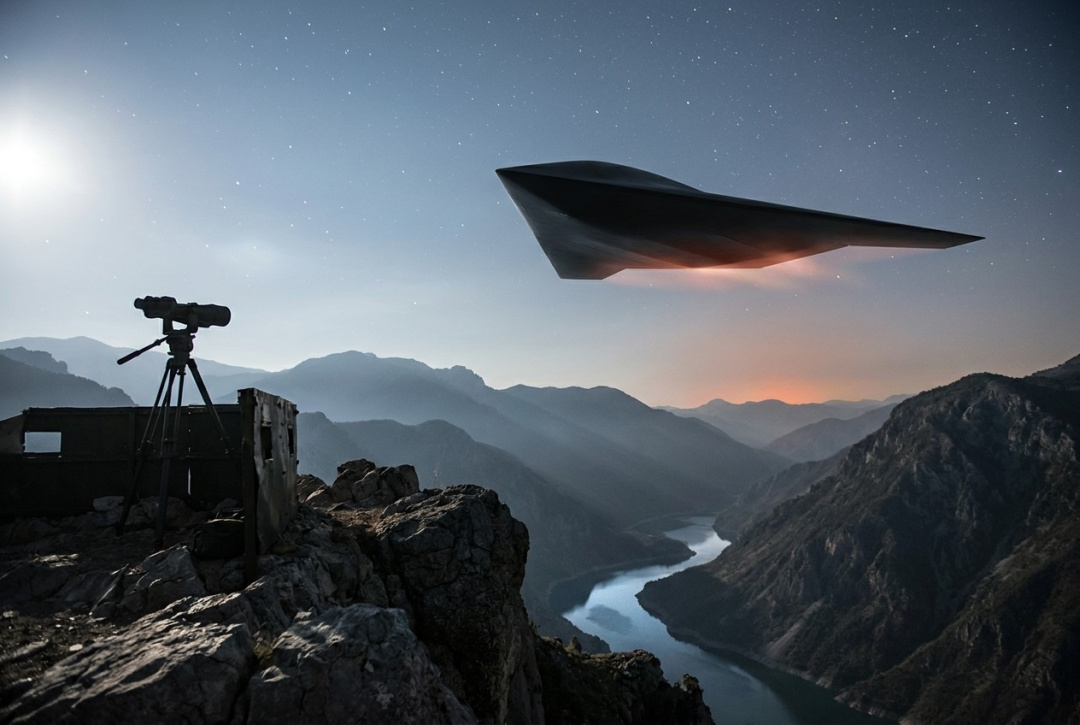
Ten Everyday Objects Mistaken for UFOs Throughout History
The U.S. government's decision to declassify UFO activity reports in May 2026 has reignited public interest in unidentified flying objects. This move, alongside the release of Steven Spielberg's sci-fi film "Disclosure Day," has led to a notable increase in UFO sightings, with one in ten Americans claiming to have seen a UFO. However, many of these sightings can be attributed to more mundane explanations.
For instance, on April 17, 1966, police in Portage County, Ohio, pursued a bright object in the sky for over eight miles, only to later conclude it was likely the planet Venus. Similarly, lenticular clouds, which form in unique shapes, have sparked UFO panics, including a notable instance in Bursa, Turkey, in 2023.
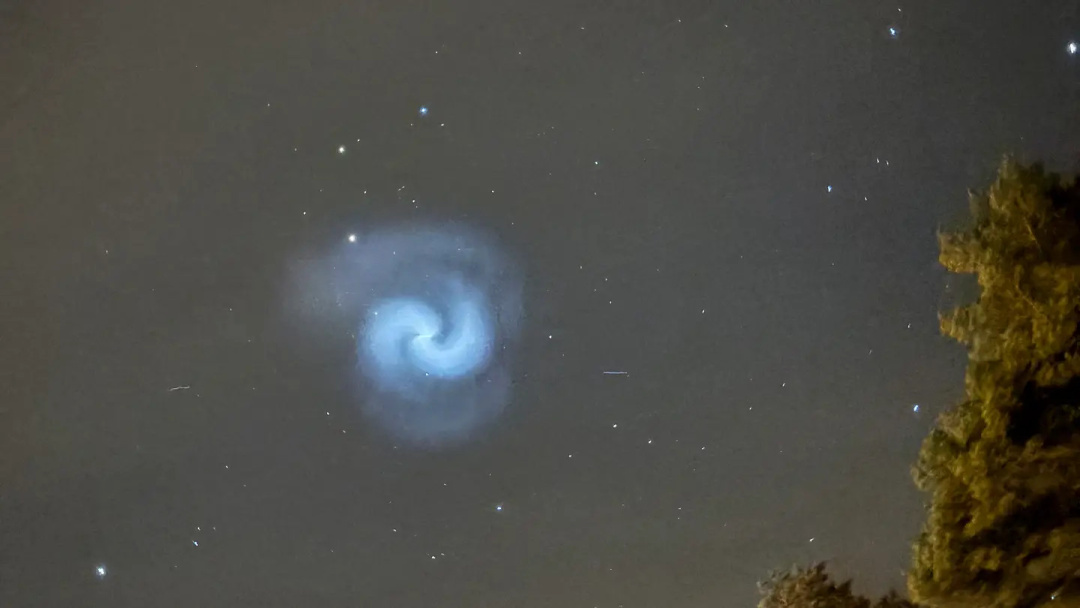
In March 2025, a spiral-shaped object reported in the UK was later identified as the frozen exhaust plume of a SpaceX Falcon 9 rocket. A 2011 incident in England involved a man who initially reported an enormous light hovering above his house, only to realize he was looking at the Moon.
The so-called "Baltic Sea anomaly," discovered in 2011 by Swedish treasure hunters, was initially thought to be a crashed flying saucer but was later identified as a glacial deposit. In a notable case from 1979, Scottish forestry worker Robert Taylor reported an encounter with a dome-shaped object, which remains unexplained but is theorized to be a hallucination caused by a medical condition.
In 2020, a cigar-shaped object sighted over New Jersey was revealed to be a Goodyear blimp, while a series of supposed sightings over Denver in 2011 were attributed to insects flying close to the camera. During a meteor shower in Brisbane, Australia, in 2006, reports of a green object were likely due to ball lightning, a rare atmospheric phenomenon.
Even astronauts are not immune to misinterpretation. In 2015, British astronaut Tim Peake observed four lights from the International Space Station, which were later identified as frozen droplets of urine leaking from a Russian spacecraft. These examples illustrate how easily ordinary objects can be mistaken for UFOs, highlighting the need for careful investigation and skepticism in the face of extraordinary claims.