US Invests $400 Million in Australian Scandium Mine to Enhance National Security
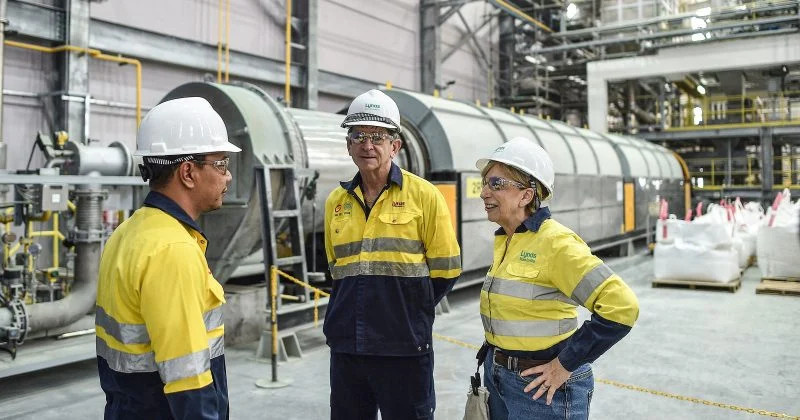
The US Department of Defense has announced a $400 million loan to Sunrise Energy Metals for the construction of the Syerston Scandium Project in New South Wales, marking a significant step in efforts to diversify critical mineral supply chains away from China. This project aims to establish the world's first dedicated scandium mine, which is crucial for various high-tech applications, including aerospace and data centers.
Scandium, although lesser-known, plays a vital role in enhancing the properties of aluminum alloys, making them lighter and stronger. Currently, China dominates the global rare earth market, controlling approximately 70% of mining and over 90% of processing capabilities. Recent export restrictions from China have underscored the risks associated with this dependency, prompting Western nations to seek alternative sources.
The Syerston project is designed to extract scandium as its primary product, a significant distinction from other operations that recover it as a byproduct. This approach aims to provide a more stable and predictable supply of scandium, which is essential for various industries.
This investment is part of a larger bilateral agreement between the US and Australia, established in October 2025, which includes a commitment of $1 billion from each country to bolster mineral supply chains outside of Chinese control. The Syerston project is one of several initiatives under this framework, which also includes Arafura's Nolans project, targeting the production of neodymium and praseodymium, critical for electric vehicle and renewable energy technologies.
The Pentagon's direct involvement in funding mineral extraction highlights the strategic importance of supply chain diversification as a national security priority. Historically, China's low-cost supply has made it challenging for other countries to develop competing mining operations. However, recent uncertainties in pricing and availability due to Chinese export restrictions are shifting the economic landscape, making non-Chinese projects more feasible.
Despite the promising outlook, the Syerston project still faces challenges in moving from a conditional commitment to actual construction. If Chinese export restrictions are lifted before these Western projects become operational, the economic rationale for such investments may weaken, even as the strategic need for diversification remains strong.