Surveillance:
Geopolitical Maps & Reference Atlases

Political maps and reference atlases for keeping the geography straight. Check the edition before treating a border as current.

Evaluate

Sponsorship confirmed.

Iran Sets Conditions for U.S. Withdrawal Before Reopening Strait of Hormuz
Aug 9, 2026
Iran Sets Conditions for U.S. Withdrawal Before Reopening Strait of Hormuz

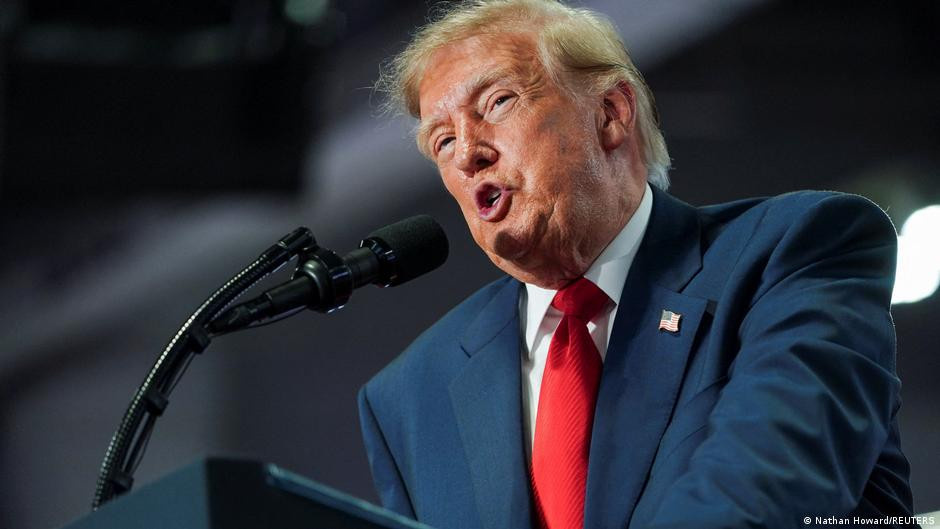
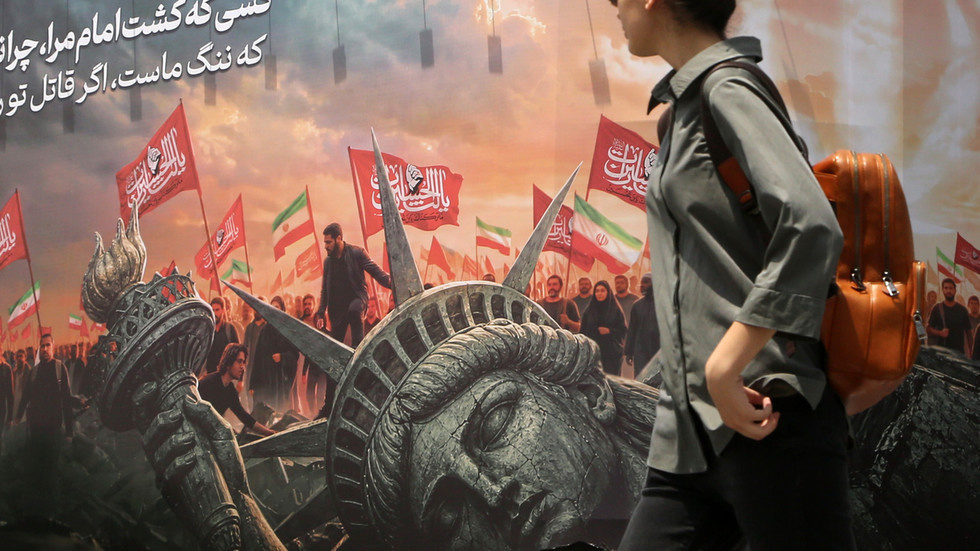
Iran’s Supreme National Security Council has established new conditions that the United States must fulfill before the Strait of Hormuz can be reopened. In a statement released by Iranian media, the council’s secretary, Mohammad Baqer Zolqadr, emphasized that the waterway, crucial for global oil and LNG trade, will remain closed until the U.S. alters its approach. The U.S. is required to lift its naval blockade of Iranian ports, withdraw its military presence from the region, and remove what Iran describes as unjust sanctions. Additionally, Iran demands the release of its frozen assets and compensation for past grievances. Zolqadr asserted that the U.S. must cease all forms of aggression against Iran and its allies in neighboring countries. He also stated that the U.S. should refrain from threatening Iran or disrespecting its national values. This statement follows reports of an Iranian missile striking a tanker operated by the UAE's state oil company, ADNOC, which the UAE has labeled as an act of piracy. Iran maintains that all vessels in the strait must adhere to its directives and avoid routes deemed illegal by the U.S. Navy. Although Iran indicated progress in negotiations with Oman regarding joint management of the Strait of Hormuz, talks with the U.S. have stalled. U.S. President Donald Trump recently called off planned strikes to allow for diplomatic discussions, but reports suggest that the Pentagon's missile stockpile has been significantly reduced. Amid these tensions, public sentiment in the U.S. appears to lean against military action, with a recent poll indicating that a majority of Americans believe strikes would exacerbate instability in the Middle East.

Surveillance:
Geopolitical Maps & Reference Atlases
Evaluate
Intelligence History
Evaluate
Cybersecurity Books
Evaluate

Sponsorship confirmed.

Surveillance:
Geopolitical Maps & Reference Atlases

Political maps and reference atlases for keeping the geography straight. Check the edition before treating a border as current.

Evaluate
Intelligence History

Secret operations, double agents, and the decisions left out of the official version.

Evaluate

Sponsorship confirmed.

Recommended for You
Trump Waives New Sanctions on Russia Citing National Security
Intelligence Oct 17, 2026

Trump Waives New Sanctions on Russia Citing National Security

President Donald Trump has signed an executive order waiving new sanctions on Russia, which were set to take effect. The decision, made…

Surveillance:
Geopolitical Maps & Reference Atlases

Political maps and reference atlases for keeping the geography straight. Check the edition before treating a border as current.

Evaluate
Intelligence History

Secret operations, double agents, and the decisions left out of the official version.

Evaluate
Cybersecurity Books

Threats, defenses, and the human habit of clicking things we really shouldn't.

Evaluate
World Affairs Books

Diplomacy, rivalries, and the backstory behind the next international headline.

Evaluate
Intelligence Analysis & Critical Thinking

Books on evaluating evidence, testing assumptions, and building sound assessments. Confidence is not a substitute for a source.

Evaluate
Counterintelligence Case Studies

Nonfiction accounts of moles, deception, and investigations. The warning signs tend to look clearer in the final report.

Evaluate

Sponsorship confirmed.